Investment-Grade Cards: Know Their Current Value
The most discussed investment cards in the hobby, with current market value ranges.
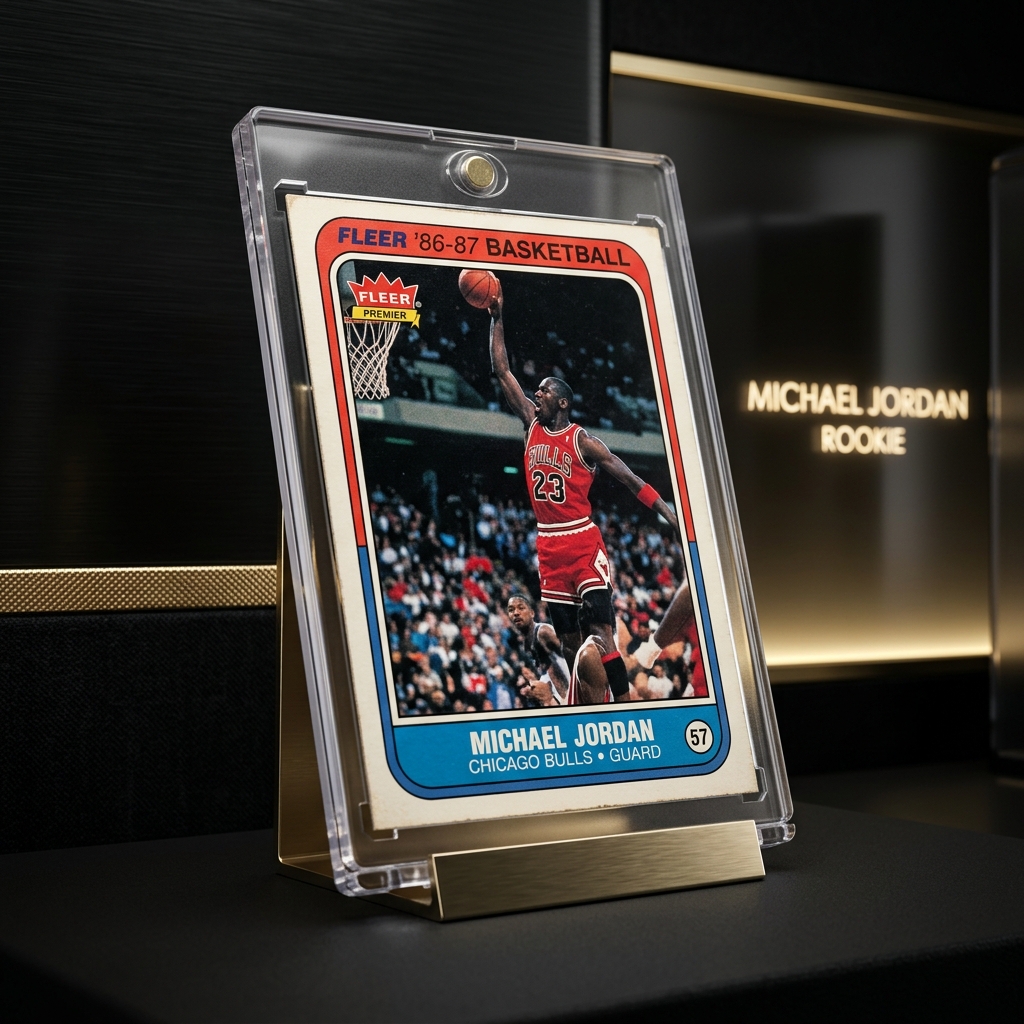
The hobby's most reliable store of value. 35+ year appreciation.
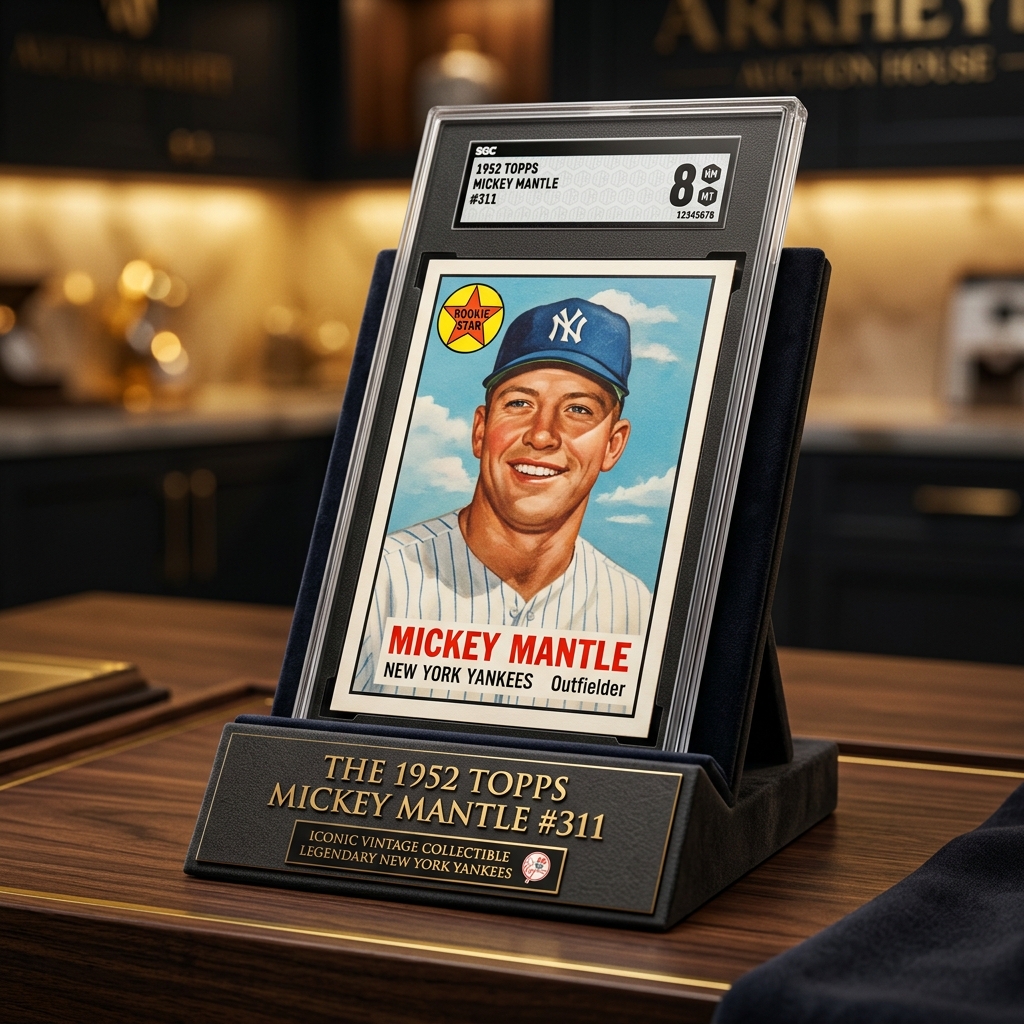
The hobby's greatest asset. 70+ years of consistent appreciation.
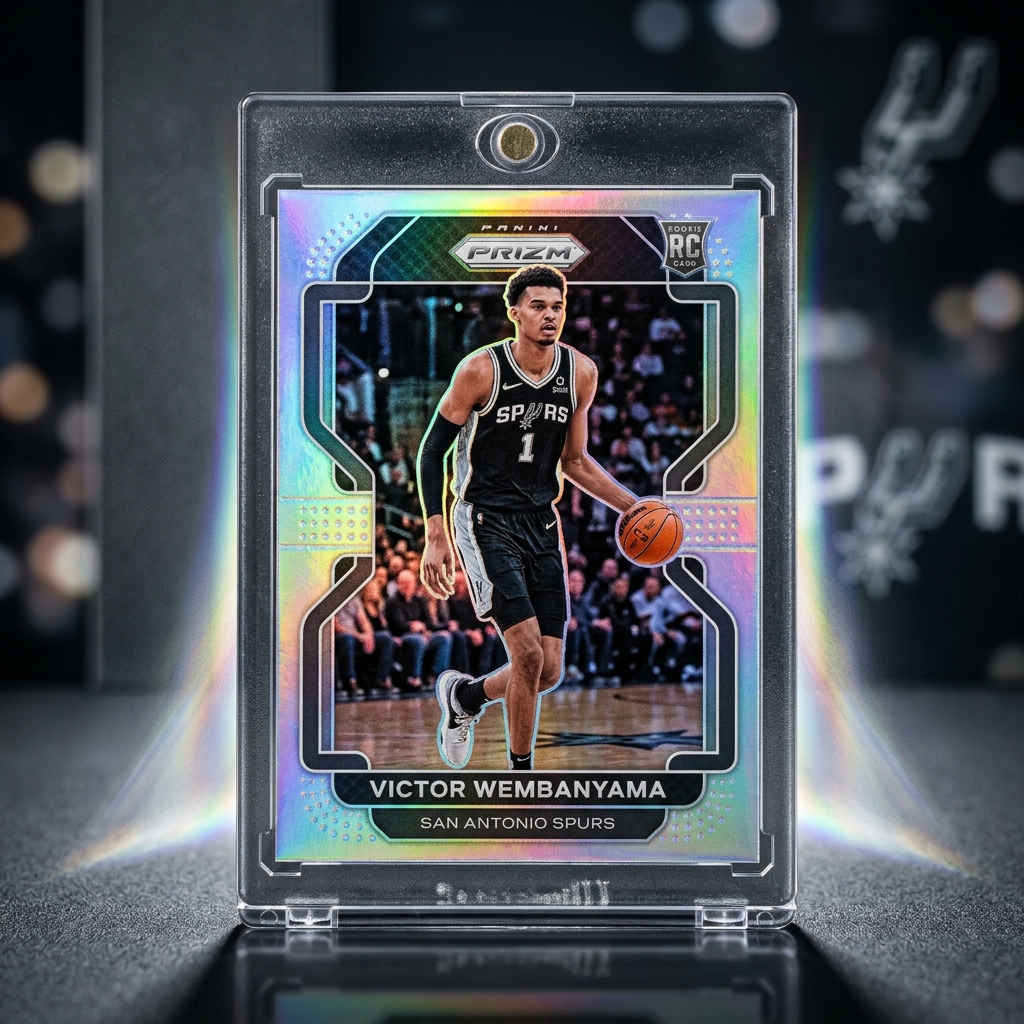
High-risk, high-reward speculation on a generational talent.
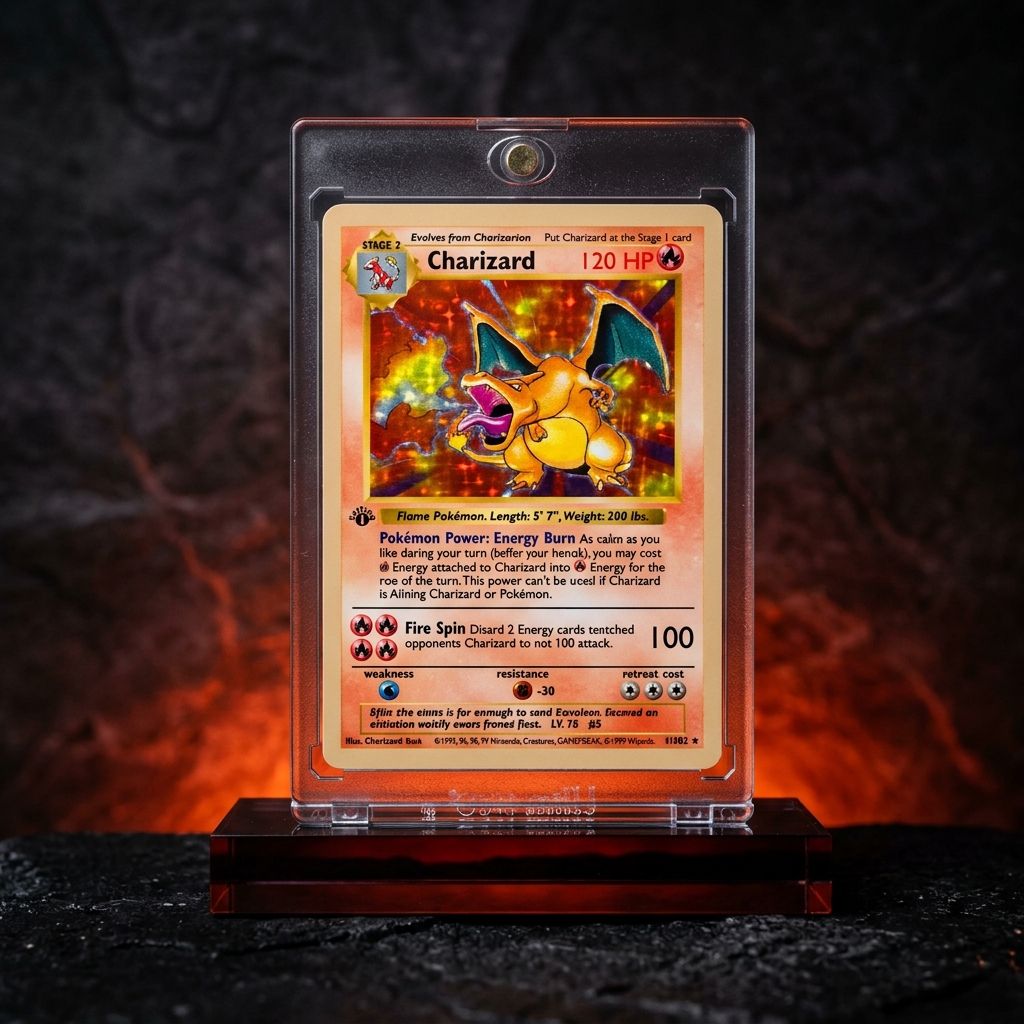
Cross-generational demand makes this the hobby's most stable non-sports card.
Is Sports Card Investing Right for You?
Sports card investing has produced extraordinary returns for disciplined collectors over the past decade. PSA 10 rookie cards of generational athletes like Patrick Mahomes, Shohei Ohtani, and Luka Doncic have delivered 10x to 20x returns — numbers that make even the best stock portfolios look modest. But sports card investing is not for everyone, and understanding its nature is step one.
What Makes Card Investing Unique
- High risk, high reward. The same volatility that creates 10x winners also creates 90% losers. A player's injury, a disappointing season, or overproduction can crater a card's value overnight.
- Illiquid by nature. Unlike stocks, you can't sell a card in seconds. Finding a buyer at your target price takes days, weeks, or months. Plan accordingly.
- Passion drives the market. Cards don't have earnings reports. Value is driven by fan sentiment, sports culture, and collector demand — forces that are hard to predict.
- Long time horizons reward patience. The biggest winners hold cards through the player's career arc. Short-term flipping is possible but much harder to sustain profitably.
- You must love the cards you hold. Because you may hold them for 5–15 years, choosing players and cards you're genuinely excited about makes the journey far more sustainable.
Bottom line: If you're looking for a short-term guaranteed return, look elsewhere. If you're a sports fan willing to do research, hold patiently, and accept volatility — sports card investing can be one of the most rewarding alternative asset classes available.
The 5 Golden Rules of Sports Card Investing
Experienced card investors share a core set of principles. Follow these rules and you'll avoid 90% of the expensive mistakes beginners make.
If the card lost 50% of its value tomorrow and you had to hold it for 10 years, would you be okay with that? If no, don't buy it. This mental filter eliminates speculative junk before it enters your portfolio.
The spread between a PSA 8 and PSA 10 on a star rookie can be 10x or more. Buy raw cards that you're highly confident will grade PSA 10, or pay up for cards that are already graded. Anything below PSA 8 is typically a poor investment.
The best window to buy is before a player wins their first major award or championship. Sell into the hype when the player achieves peak fame — not after. Most investors hold too long into a player's decline.
Modern cards are printed in massive quantities. Buying retail boxes hoping for hits is a money-losing gamble. Buy the specific cards you want on the secondary market — eBay, COMC, StockX — where prices reflect actual collector demand.
Don't put 100% of your card budget into one player or one sport. A diversified card portfolio — spanning football, baseball, basketball, and even Pokémon — smooths out volatility and gives you multiple paths to a strong overall return.
Best Card Categories for Investment
Not all card categories are created equal. Each has a different risk/reward profile, liquidity level, and typical holding period. Here's how the major investment categories stack up:
Pre-1980 Hall of Fame cards (Mantle, Aaron, Ruth) offer the safest long-term appreciation. Slowest growth but nearly recession-proof. Best for capital preservation.
Highest upside and highest risk. A PSA 10 of the right rookie at the right time can return 5x–20x. Player selection is everything. Focus on top 5 draft picks and breakout stars.
The most proven modern investment vehicle. Low print runs, on-card autographs, and strong collector demand make these resilient. Top prospects in BGS 9.5 are the sweet spot.
A unique market with extraordinary demand. PSA 10 Charizard 1st Edition Base has sold for $350,000+. Even common 1st Edition PSA 10s have risen dramatically. Strong crossover collector appeal.
Panini Prizm Silver parallels of confirmed superstars offer excellent liquidity and recognition. The "blue chip" of modern sports cards. Focus on established stars rather than prospects.
How to Evaluate a Card Investment: 5-Step Checklist
Before buying any card as an investment, run it through this systematic evaluation. Skipping steps is how investors lose money.
-
1Assess the player's upside Is the player young, healthy, and on a trajectory toward Hall of Fame caliber performance? Cards of players with 10+ years of elite performance ahead are the safest long-term holds. Avoid players in their late career or coming off major injuries.
-
2Check the print run Lower print runs mean greater scarcity and typically stronger price appreciation. Numbered cards (e.g., /25, /99, /150) are preferable to unlimited-print base cards. A PSA 10 base card of a star is still valuable, but a /25 auto of the same player is far scarcer.
-
3Determine current raw vs. graded value Search eBay sold listings for both raw (ungraded) and PSA 10 copies. Calculate the "grade premium" — the multiple a PSA 10 commands over a raw copy. If the premium is already 10x+, buying raw and grading yourself may not add additional upside.
-
4Review the PSA population report The PSA "pop report" shows how many copies have been graded at each grade level. A card with only 50 PSA 10s in existence is far scarcer than one with 5,000. A growing population can suppress future prices — factor this into your analysis.
-
5Analyze recent sold comps Filter eBay for "Sold Items" and look at the last 90 days of sales for the exact card and grade. Is the price trending up, down, or flat? Look for at least 3–5 recent sales to establish a reliable price baseline before committing capital.
Cards That Have Delivered the Best ROI (2015–2025)
The numbers below illustrate what's possible when you identify the right player early and hold through their career arc. These are real documented returns based on eBay sold listing data and auction records.
| Card | Buy Price (Raw) | Raw Value Now | PSA 10 Value | Approx. ROI |
|---|---|---|---|---|
| 2018 Topps Chrome Shohei Ohtani RC | ~$50 | $300–$450+ | $3,500–$5,000 | 500%+ |
| 2018-19 Panini Prizm Luka Doncic RC | ~$80 | $400–$600+ | $4,500–$6,500 | 500%+ |
| 2017 Panini Prizm Patrick Mahomes RC | ~$30 | $600–$900+ | $7,000–$10,000 | 2,000%+ |
| 1989 Upper Deck Ken Griffey Jr. RC | $5–$10 (in 1989) | $75–$150 | $1,500–$3,500 (PSA 9) | 1,500%+ |
Note: Values represent approximate market prices based on eBay sold listings. Past performance is not indicative of future results. Card values fluctuate based on player performance, market conditions, and grade scarcity.
Cards to Avoid as Investments
Knowing what not to buy is just as important as knowing what to buy. The following types of cards have consistently underperformed as investments:
⚠️ Cards That Rarely Appreciate
- Overproduced modern base cards — If a card was printed in the hundreds of thousands, scarcity will never drive price appreciation, regardless of how good the player is.
- Non-star players — Backup players, role players, and busted prospects almost never appreciate. The market rewards only elite performance at the highest levels.
- Damaged or heavily played cards — Condition damage (creases, stains, corner wear) dramatically suppresses value. A PSA 4 or 5 is rarely a worthwhile investment target.
- Anything graded below PSA 8 — The price gap between PSA 7 and PSA 10 is enormous. PSA 8 and below grades rarely produce meaningful returns after accounting for grading and transaction costs.
- "Junk wax era" commons (1987–1993) — Cards from this overproduced era remain nearly worthless despite being 30+ years old. Overproduction is permanent — time alone does not create scarcity.
- Unlicensed or counterfeit cards — These have zero legitimate collector market and are a complete loss.
How to Track Your Card Portfolio Value
A card collection you don't track is just a pile of cardboard. Serious investors monitor their portfolio regularly to make informed buy, hold, and sell decisions.
The Three-Tool Tracking System
- CardValueFinder periodic scans: Use CardValueFinder's AI scanner to get instant value estimates on your cards based on current market data. Run scans quarterly — or any time a player has a major performance event — to stay current on your portfolio's worth.
- eBay sold comps: For any card worth $50+, check eBay's "Sold Listings" filter every 30–60 days. Recent sales are ground truth for what the market will actually pay. Set up alerts for your key cards using eBay's saved search feature.
- Spreadsheet tracking: Maintain a simple spreadsheet with columns for: Card Name, Grade, Purchase Price, Purchase Date, Current Estimated Value, % Change, and Notes. This gives you a portfolio-level view of your ROI and helps you identify which positions are outperforming or underperforming.
Pro tip: Use CardValueFinder to scan new cards before you buy them as well. Getting an AI-powered market estimate before committing capital helps you avoid overpaying and identifies undervalued cards in the secondary market.
Risks Every Investor Should Know
Sports card investing carries real financial risk. Understanding these risks before you invest protects your capital and sets realistic expectations.
⚡ Key Investment Risks
- Player injury: A career-ending injury can cut a card's value by 50–90% within days. Diversification across multiple players and sports is the only hedge.
- Career decline: A player who never reaches expectations — or peaks early and declines — will see card values follow. Buy players with demonstrated elite performance, not just potential.
- Overproduction: Card companies respond to demand by printing more. If a set that was once scarce gets reprinted or a player gets new, high-print-run cards, existing card values can compress significantly.
- Market crashes: The sports card market saw a dramatic 60–70% correction in 2021–2022 after a pandemic-driven bubble. Markets can and do crash. Don't invest money you can't afford to lock up for years.
- The junk wax cautionary tale: From 1987–1993, card companies printed billions of cards in response to demand. Those cards — despite being 30+ years old — are largely still worth pennies. Overproduction permanently destroyed their value. Modern cards face similar risks.
- Liquidity risk: You may not be able to sell a card at your target price quickly. Budget for the possibility of holding positions for months or years to achieve your desired exit price.
Getting Started: Your First $500 Card Investment Portfolio
You don't need thousands of dollars to start building a meaningful card portfolio. Here's a sensible allocation for a first-time investor with $500 to deploy:
This allocation gives you exposure to proven appreciation (the 40%), growth potential (the 30%), non-correlated alternative assets (the 20% Pokémon), and a small speculative bet (the 10%). As your portfolio grows and your confidence increases, you can adjust allocations to match your evolving conviction about players and market trends.
For help identifying which specific rookie cards to target right now, see our guide to the best rookie cards to invest in.