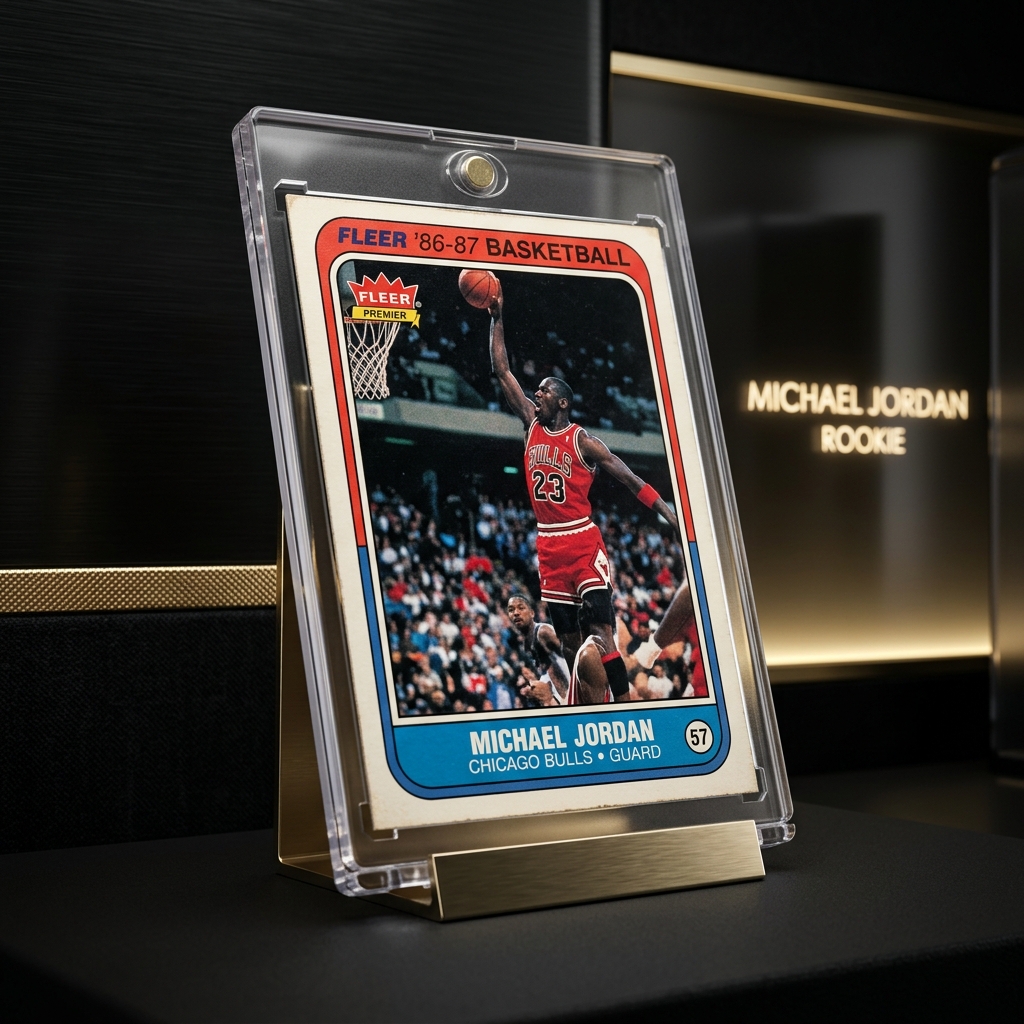
Basketball · 1986 Fleer
Michael Jordan RC
Worth grading if NM+
Raw NM:$200–$600
PSA 10:$700K–$1.4M
PSA, BGS, CGC & SGC pricing tiers, real turnaround times, hidden costs, and exactly when grading is (and isn't) worth it in 2026.
Check Your Card's Value Before Grading →These cards show why grading is worth it — the PSA 10 premium over raw can be 10–100× for star players in top condition.
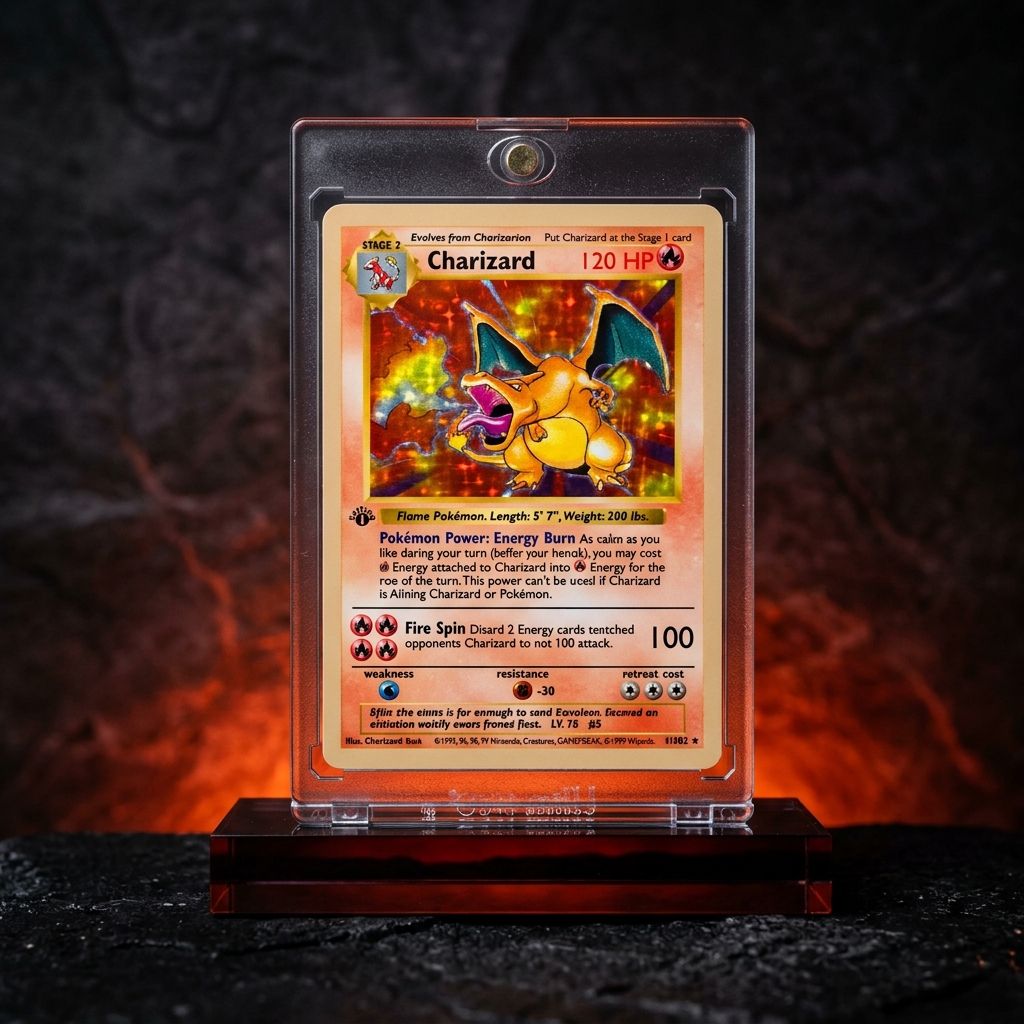


Every grading company advertises a per-card fee — but that's only the beginning of what you'll actually pay. When collectors calculate whether grading is worth it, they often forget to factor in round-trip shipping, insurance, and packing supplies, which can easily add $30–70 to each submission batch.
Here's the full cost picture most articles don't mention:
💡 True cost example: Submitting 5 cards at PSA Economy ($25 each = $125) + $20 shipping to PSA + $25 return shipping = approximately $170 total — or $34 per card, not $25. Always use the true all-in number when calculating break-even.
Professional Sports Authenticator (PSA) is the most recognized grading company in the hobby and generally commands the highest resale premiums — particularly for sports cards. A PSA 10 label is considered the gold standard by most collectors and investors.
| Service Tier | Price Per Card | Est. Turnaround | Best For |
|---|---|---|---|
| Economy | $25 | 100+ days | Lower value cards, patient collectors |
| Value | $50 | 65 days | Mid-range cards worth $75–200 |
| Regular | $100 | 45 days | Cards worth $200+ in PSA 10 |
| Express | $300 | ~10 business days | Cards worth $500+ where timing matters |
| Super Express | $1,000 | ~5 business days | High-value cards $2,000+ |
PSA grading also requires a membership to access certain tiers. A basic Collector Club membership (around $99/year) is recommended for regular submitters — it provides access to all service tiers and reduced fees on high-volume submissions.
Beckett Grading Services (BGS) is PSA's primary competitor and offers a unique subgrade system that grades centering, corners, edges, and surface independently in addition to the overall grade. BGS 9.5 "Gem Mint" and the ultra-rare BGS 10 "Black Label" Pristine are highly sought after in the basketball card market.
| Service Tier | Price Per Card | Est. Turnaround | Best For |
|---|---|---|---|
| Economy | $22 | ~50 days | Budget-conscious, lower value cards |
| Standard | $50 | ~20 days | Mid-range cards with good condition |
| Express | $150 | ~10 business days | Higher value cards needing faster return |
💡 BGS vs PSA: BGS 9.5 slabs often command premiums over PSA 10 for basketball cards, especially Prizm rookies. However, PSA graded slabs are generally more liquid (easier to sell quickly) across all sports.
CGC (Certified Guaranty Company) expanded from comics grading into trading cards and has become the preferred choice for Pokémon and TCG cards. CGC's pristine slab cases and sub-grading system appeal strongly to the Pokémon collector community, and their PSA 10 equivalent (CGC 10 "Pristine") commands strong premiums.
| Service Tier | Price Per Card | Est. Turnaround | Best For |
|---|---|---|---|
| Economy | $25 | ~60 days | Pokémon cards, lower value TCG cards |
| Standard | $50 | ~30 days | Mid-range Pokémon, vintage TCG |
| Express | $150 | ~10 business days | High-value Pokémon, chase cards |
If you're grading Pokémon cards, check out our Most Valuable Pokémon Cards guide to identify which ones are worth submitting.
SGC (Sportscard Guaranty Corporation) has undergone a major modernization and offers the most affordable base pricing of any major grading company. SGC is particularly popular for vintage sports cards and has been gaining ground with modern collectors looking for faster, cheaper grading.
| Service Tier | Price Per Card | Est. Turnaround | Best For |
|---|---|---|---|
| Standard | $18 | ~30 days | Budget grading, testing potential grades |
| Express | $75 | ~10 business days | Mid-value cards needing faster service |
| Walk-Through | $150 | Same day (at shows) | Available at major card shows & events |
💡 SGC Walk-Through is available at major card shows like The National (NSCC), allowing you to get graded cards back in a single day — ideal for dealers and collectors who attend shows regularly.
Grading is an investment — and like any investment, it only makes sense when the expected return exceeds the cost. Use this formula to quickly evaluate any card:
In this example, grading makes sense — but only if the card can earn a PSA 10. A PSA 9 would likely sell for $250–300, which barely covers costs. This is why condition assessment before submission is critical.
Use CardValueFinder to instantly see raw vs graded market values for your card — so you can calculate whether grading is worth the investment before paying a cent.
Check Card Value Free →Before you mail a single card to any grading company, spend two minutes with CardValueFinder. Our AI instantly identifies your card and shows you current market values — both raw and in PSA 10 — pulled from real recent eBay sales.
This takes the guesswork out of the break-even calculation and could save you from submitting cards that won't return a profit after grading costs.
PSA grading starts at $25 per card for the Economy tier with a 100+ day turnaround, and goes up to $1,000+ per card for Super Express with approximately 5 business days turnaround. The most popular tier for most collectors is Regular at $100/card with a ~45-day turnaround. All prices are per card, before adding shipping to and from PSA and insurance costs.
SGC's Standard tier at $18 per card is currently the most affordable option from a major grading company, with an approximately 30-day turnaround. PSA Economy at $25/card is the next most affordable. For Pokémon and TCG cards, CGC's Economy tier at $25/card is competitive and often preferred by the Pokémon collecting community over PSA for their product.
PSA turnaround times vary significantly by tier: Economy: 100+ days | Value: ~65 days | Regular: ~45 days | Express: ~10 business days | Super Express: ~5 business days. These are estimates — actual times fluctuate based on PSA's submission volume and can be longer during peak periods. Always check PSA's website for current estimated times before submitting.
Generally, no. If a card is worth $20 raw and the PSA 10 value is around $60, you'd still be underwater after $25 grading + $30–50 round-trip shipping. Even using the cheapest SGC Economy tier ($18), you're looking at ~$50+ all-in costs — which requires the card to at least double in value just to break even. Grading makes financial sense when the PSA 10 value significantly exceeds $100, and ideally when the spread between raw and graded is $100 or more.
Yes — you can submit cards directly to PSA via PSA.com. Create a free account, then choose your service tier and submit your cards via their online submission portal. A Collector Club membership (starting around $99/year) is recommended for regular submitters — it provides access to all service tiers. You can also submit through an authorized PSA dealer if you prefer not to handle packing and shipping yourself.
As a general rule, the PSA 10 value should exceed $100 — and ideally $150 or more — before grading makes financial sense. This accounts for grading fees ($25–100), round-trip shipping ($30–70 total), insurance, and your time. For key rookie cards or vintage stars where PSA 10 values reach $500 or more, grading is almost always worthwhile — assuming the card is in near-mint to mint condition. Use CardValueFinder to check current values before deciding.