How PSA Grading Changes Card Value: Real Examples
See exactly how much a PSA 10 grade is worth vs. the same card raw.
What Is PSA?
PSA — Professional Sports Authenticator — is the world's largest and most trusted third-party card grading company. Founded in 1991 in Newport Beach, California, PSA pioneered the modern card grading industry by creating a standardized, tamper-evident authentication system that transformed how collectors buy, sell, and value trading cards.
When PSA grades a card, it evaluates its authenticity and physical condition, assigns a numeric grade from 1 to 10, and encapsulates the card in a tamper-evident plastic "slab" that permanently displays the grade. This process gives collectors a trusted, universally understood condition language — a "PSA 9" means the same thing to every collector in the world.
PSA's parent company, Collectors Universe, was acquired by private equity firm Nat Turner's Collector Universe entity in 2021. Despite the ownership change, PSA has maintained its position as the dominant grading company in the hobby, commanding the highest resale premiums for most sports card categories.
Why PSA Matters for Value: A PSA-graded card typically sells for significantly more than an ungraded (raw) copy of the same card in comparable condition. This premium exists because buyers trust the grade, can't dispute the condition, and know the card is authentic. For key cards, the PSA 10 premium can be 10–50x the raw value.
Why PSA Grading Matters: Real Value Comparisons
Numbers make the case better than words. Here are real-world examples of how PSA grades transform card values — from modest raw prices to dramatic graded premiums:
| Card | Raw (Ungraded) | PSA 8 | PSA 9 | PSA 10 |
|---|---|---|---|---|
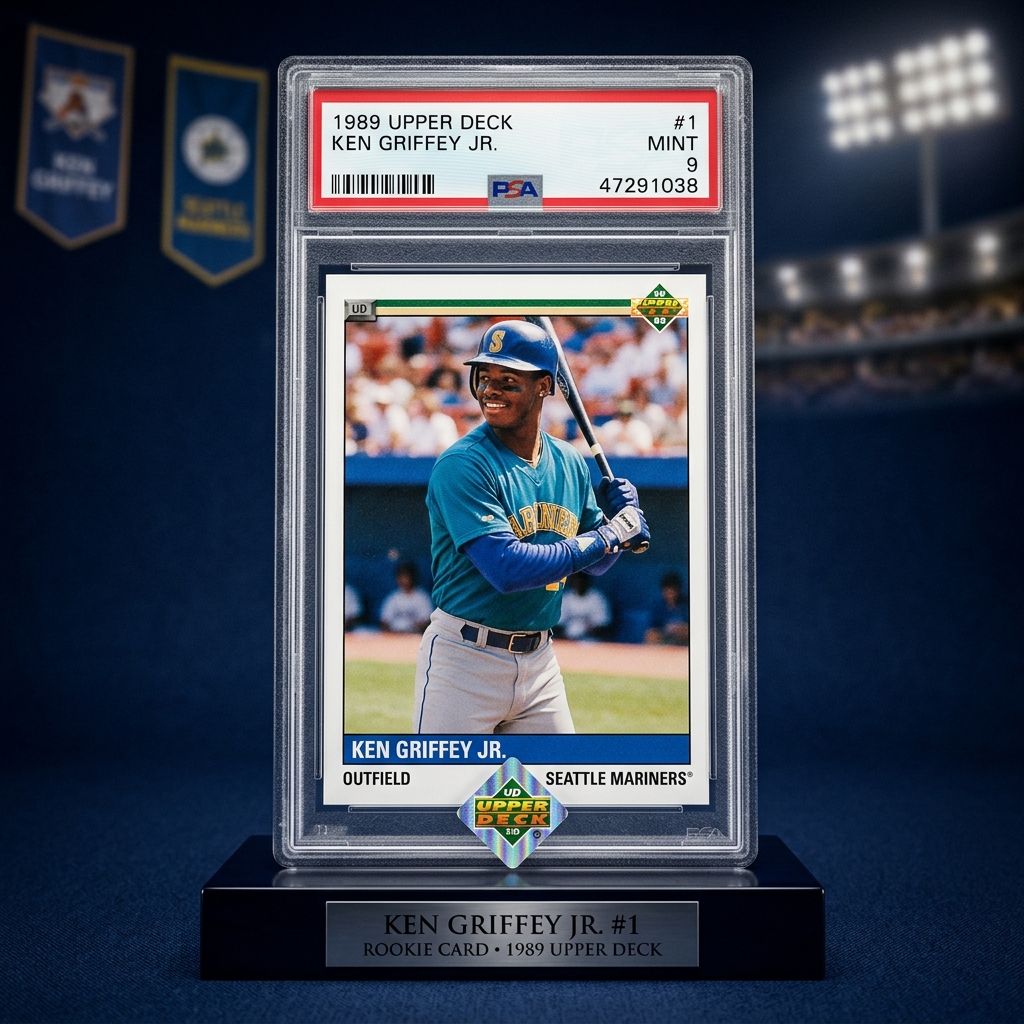
| 1989 Upper Deck Ken Griffey Jr. RC | $75 | $150 | $300 | $2,000+ |
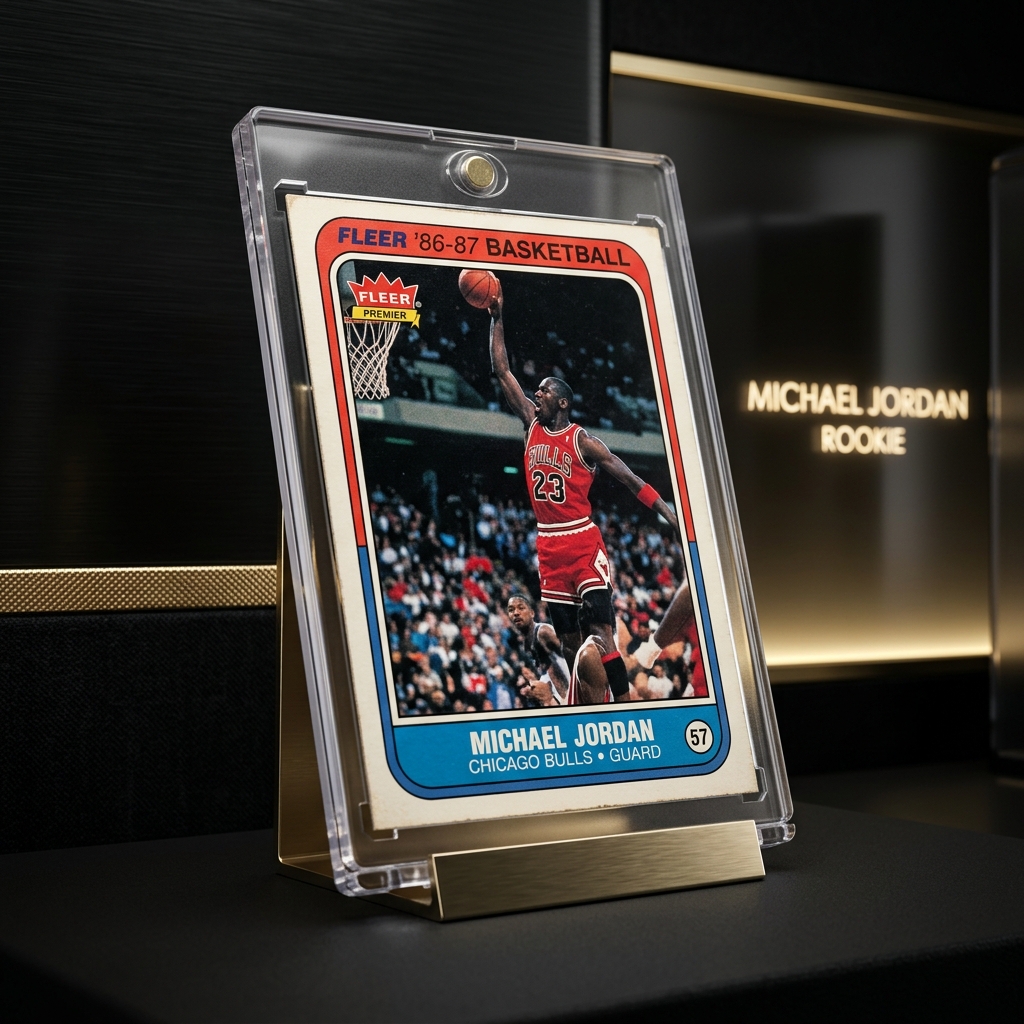
| 1986 Fleer Michael Jordan RC | $600 | $1,500 | $15,000 | $2,000,000+ |
| 2018 Topps Chrome Shohei Ohtani RC | $300 | $500 | $1,200 | $4,000+ |
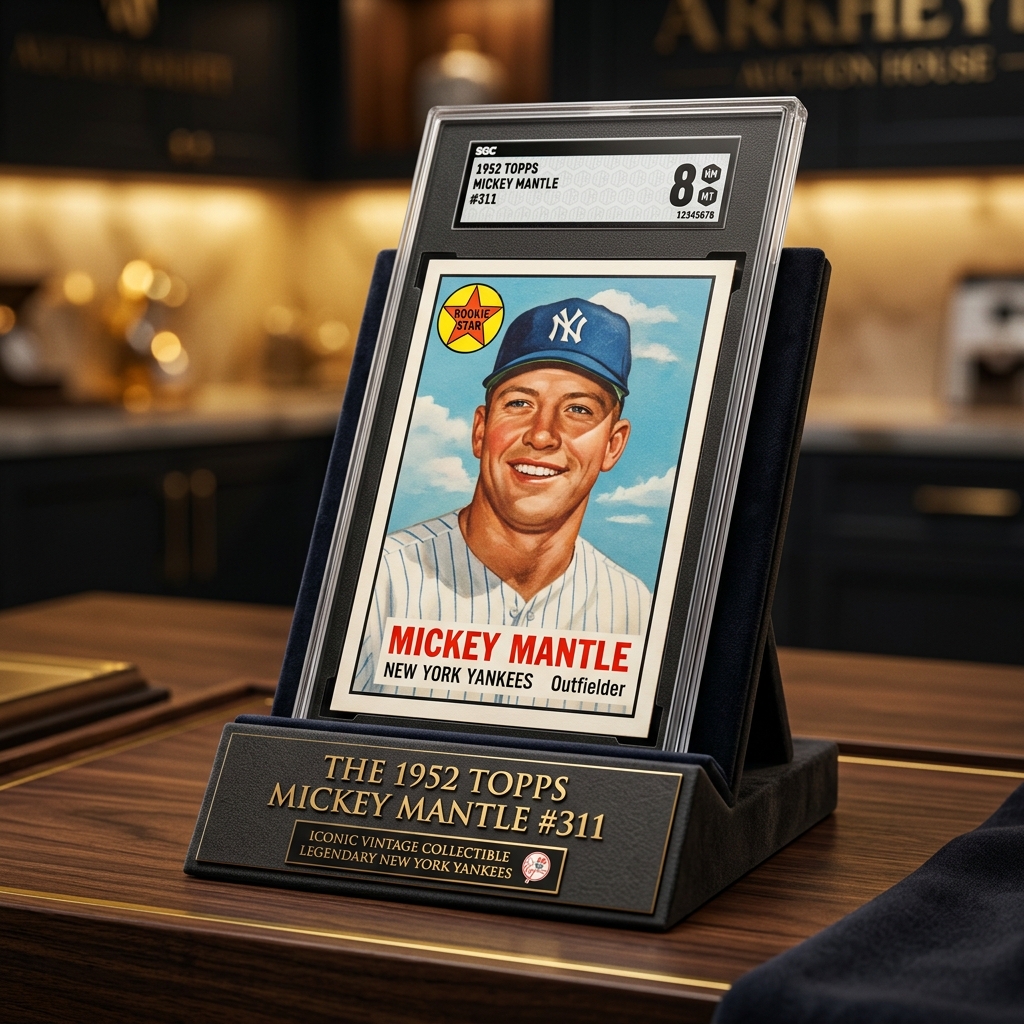
| 1952 Topps Mickey Mantle #311 | $20,000+ | $150,000+ | $1,000,000+ | $12,600,000 |
The Jordan 1986 Fleer example is the most extreme case in the hobby — but it illustrates the core principle: PSA grading doesn't just add incremental value, it can fundamentally transform a card into a completely different asset class. For many modern rookie cards, the difference between a PSA 9 and PSA 10 alone can represent thousands of dollars.
Before submitting any card: Use CardValueFinder to research current sold prices for both raw and PSA-graded versions of your specific card. The grading math only works when the numbers support it — and they don't always support it for lower-value cards.
The PSA Grading Scale Explained (1–10)
PSA uses a 10-point numeric scale — the most widely recognized grading standard in the hobby. Every card submitted receives one of these grades, with 10 being the highest (Gem Mint) and 1 being the lowest (Poor).
Key Reality: The gap between PSA 9 and PSA 10 is enormous — both in terms of condition standards and market value. PSA grades PSA 10 only when a card is virtually flawless. For many popular modern cards, fewer than 5% of submitted copies receive a PSA 10, making those slabs genuinely rare collectibles.
PSA also issues "Authentic" designations for cards that are genuine but have been altered (trimmed, cleaned, or restored), and "Qualifiers" (e.g., PSA 8 OC for off-center) for cards that would grade higher but for a specific defect. These designations are used instead of standard grades in those specific situations.
How PSA Grades Cards: The 4 Pillars
PSA graders evaluate every card on four key attributes. Understanding what graders look for — and what they penalize — is essential for predicting your card's likely grade before spending money on submission.
Centering
The ratio of border width on all four sides. PSA 10 requires 60/40 or better on both horizontal and vertical axes. Even minor off-centering can drop a card from a 10 to a 9 or lower. Graders use precise measurements — not eyeballing.
Corners
All four corners are inspected under magnification for fraying, wear, or "fuzzing." A card can appear perfect to the naked eye but show corner wear under a loupe. Sharp corners are the hardest attribute to maintain from the original print run.
Edges
All four edges are examined for nicks, chips, dents, or roughness. White edges that show any imperfection — even a tiny chip invisible to the eye — can reduce a grade. Edges are particularly vulnerable during storage and handling.
Surface
Both front and back are checked for scratches, print defects, staining, creases, or loss of gloss. Graders use raking light (light at a sharp angle) to reveal surface scratches invisible under normal conditions. Surface is the most subjective pillar.
What Graders Are Actually Looking For
PSA graders use high-magnification loupes and controlled lighting environments to examine cards. The raking light technique is particularly important — by tilting a card under a single bright light source at a sharp angle, even microscopic surface scratches become clearly visible. Any sign of cleaning, trimming, or alteration results in an "Authentic — Altered" designation rather than a numeric grade, which dramatically reduces the card's market value.
Never attempt to clean, press, or in any way alter a card before submission. Collectors sometimes try to use microfiber cloths or specialized card cleaners — PSA graders will detect these interventions and the card will receive an Altered designation, which is far worse than a lower grade.
Step-by-Step: How to Submit a Card to PSA
Submitting cards directly to PSA requires creating an account and following their submission process. Here's the complete step-by-step guide:
Create a PSA Account and Join PSA Collector Club
Visit PSA's website and create a free account. Consider joining PSA Collector Club ($149/year as of 2026), which provides access to Economy tier grading at reduced rates and other member benefits. For occasional submitters, non-member pricing is available but typically higher per card.
Review Whether the Card's Value Justifies Grading
Before building your submission, research current sold prices for both raw and graded versions of your card. Use CardValueFinder and eBay Sold Listings. The card should have realistic PSA 9 or 10 potential and a graded value that significantly exceeds the raw price plus all costs.
Pre-Screen Your Card's Condition with CardValueFinder
Examine your card under good lighting with a loupe or magnifier. Check all four pillars — centering, corners, edges, and surface. If you see multiple issues, the card may not achieve the grade needed to justify grading costs. The How to Grade Sports Cards guide walks you through exactly what to look for.
Package Cards Safely for Shipping
Place each card in a clean penny sleeve, then in a semi-rigid card saver or top loader. Do not use rubber bands. Use bubble wrap and a sturdy box — not a padded envelope. Add cardboard backing to prevent flexing. PSA's website provides detailed packaging instructions specific to their requirements.
Submit Your Order via PSA's Website
Log into your PSA account, create a new order, select your service tier, and list each card in the submission form. Print the order form, include it with your cards, and ship to PSA's facility using a trackable carrier (USPS Priority, FedEx, or UPS). Insure the package for the full replacement value of your cards.
Wait for Return — 20 to 100+ Days
PSA will track your submission in their online portal. You'll receive notifications when cards enter and exit grading. Once graded, slabs are shipped back to you. Turnaround times vary significantly by service tier — see the cost breakdown below for current estimates.
PSA Grading Costs 2026
PSA offers multiple service tiers at different price points and turnaround times. Choose the tier that balances your budget, timeline, and the card's urgency. All prices are per card and require a PSA account. Collector Club members receive discounted Economy rates.
| Service Tier | Cost Per Card | Est. Turnaround | Best For |
|---|---|---|---|
| Economy | $25/card | 100+ business days | Budget submitters |
| Value | $50/card | ~65 business days | Cards $100–$499 |
| Regular | $100/card | ~45 business days | Cards $500–$999 |
| Express | $300/card | ~10 business days | Time-sensitive cards |
Important: PSA fees do not include shipping costs. Budget an additional $20–$40 for round-trip tracked and insured shipping. During high-volume periods, PSA's stated turnaround times may extend significantly. Always check PSA's website for the most current estimates and any service tier restrictions before submitting.
For a comprehensive comparison of all grading company fees including BGS, CGC, and SGC, see our Sports Card Grading Cost guide.
PSA vs BGS vs CGC vs SGC — Quick Comparison
PSA isn't the only grading option. Here's how the four major companies compare at a glance. For the full deep-dive comparison, see our PSA vs BGS vs CGC guide.
| Company | Scale | Starting Cost | Resale Premium | Best For |
|---|---|---|---|---|
| PSA | 1–10 (whole numbers) | $25/card | Highest for sports | Sports cards, vintage, modern rookies |
| BGS (Beckett) | 1–10 (half points + subgrades) | $25–$30/card | Strong for modern | Modern cards, collectors valuing subgrade transparency |
| CGC | 1–10 (half points) | $18–$25/card | Highest for Pokémon/TCG | Pokémon, Magic, Yu-Gi-Oh!, gaming cards |
| SGC | 1–10 (whole numbers) | $18–$22/card | Strong for vintage | Vintage sports, fast turnaround, budget grading |
For most sports card collectors, PSA remains the default choice due to its unmatched brand recognition, largest population database, and highest resale premiums on eBay and major auction platforms. However, SGC is worth considering for vintage cards where turnaround time matters, and CGC is the clear choice for Pokémon and TCG cards.
Tips to Maximize Your PSA Grade
You can't improve a card's condition — but you can avoid making it worse, and you can make smarter decisions about which cards to submit and when.
🧤 Handle Only by the Edges
Never touch the face or back of a card with bare fingers. Skin oils cause surface damage over time and can leave fingerprint residue visible to graders under magnification.
🔍 Use a Loupe Before Submitting
A 10x jeweler's loupe costs $10–$15 and lets you examine corners and surface exactly as graders do. Catching issues before submission saves you money on cards that won't grade well.
📦 Store in Penny Sleeves + Top Loaders
From the moment you acquire a card, keep it in a clean penny sleeve inside a top loader. This prevents corner dings, edge wear, and surface scratches from casual handling.
🚫 Never Clean a Card
Even a microfiber cloth can cause microscopic surface scratches visible under grader scrutiny. Any evidence of cleaning or restoration results in an "Altered" designation — far worse than a low grade.
📊 Research Pop Reports
PSA's Population Report shows how many cards have graded at each level. A card with only 3 PSA 10s in the population is genuinely rare — worth far more than a card with 500 PSA 10s.
⚖️ Run the Math First
Before submitting, always calculate: raw value + grading fee + shipping vs. realistic graded value. Only submit when the numbers clearly support it — not just on hope of a PSA 10.
Frequently Asked Questions About PSA Grading
The most common PSA grading questions — answered thoroughly.
PSA stands for Professional Sports Authenticator. The company was founded in 1991 in Newport Beach, California, and has grown into the world's largest card grading company, having graded over 50 million cards and collectibles. PSA's parent company is Collectors Universe. PSA-graded cards consistently command the highest resale premiums of any grading company for most sports card categories.
PSA grading turnaround times vary by service tier as of 2026: Economy (~100+ business days), Value (~65 business days), Regular (~45 business days), and Express (~10 business days). During high-volume periods — particularly after major sports events or market surges — all tiers may experience delays beyond their stated estimates. Always check PSA's website for the most current turnaround estimates before submitting your cards.
PSA grading is worth it when the expected graded value significantly exceeds the raw card value plus grading fees and shipping. As a general rule, only submit cards worth at least $75–$100 raw that you believe have PSA 9 or PSA 10 potential — and where the PSA 10 sale price is at least 3–5x your total costs. For common cards under $20 raw, grading almost never pencils out financially. Use CardValueFinder to research both raw and graded sold prices before making your decision.
A PSA 10 Gem Mint is the highest grade on the PSA scale and represents a virtually perfect card. To earn a PSA 10, a card must have perfect or near-perfect centering (60/40 or better on both axes), four razor-sharp corners with no visible wear under magnification, clean edges with no nicks or chips, and a flawless surface on both front and back with no scratches, print defects, or staining. Only a small percentage of submitted cards receive a PSA 10 — for popular modern cards, the PSA 10 population count is often in the single or low double digits, making true PSA 10s genuinely scarce.
PSA uses whole-number grades on a 1–10 scale, giving a single overall grade. BGS (Beckett Grading Services) uses half-point increments and provides four individual subgrades for centering, corners, edges, and surface — giving collectors much more detail about exactly where a card fell short. A BGS 9.5 Black Label (all subgrades at 9.5 or above) is widely considered equivalent to or stricter than a PSA 10. In terms of resale premium, PSA grades typically sell for more than BGS equivalents for most sports cards. See our full PSA vs BGS vs CGC comparison guide.
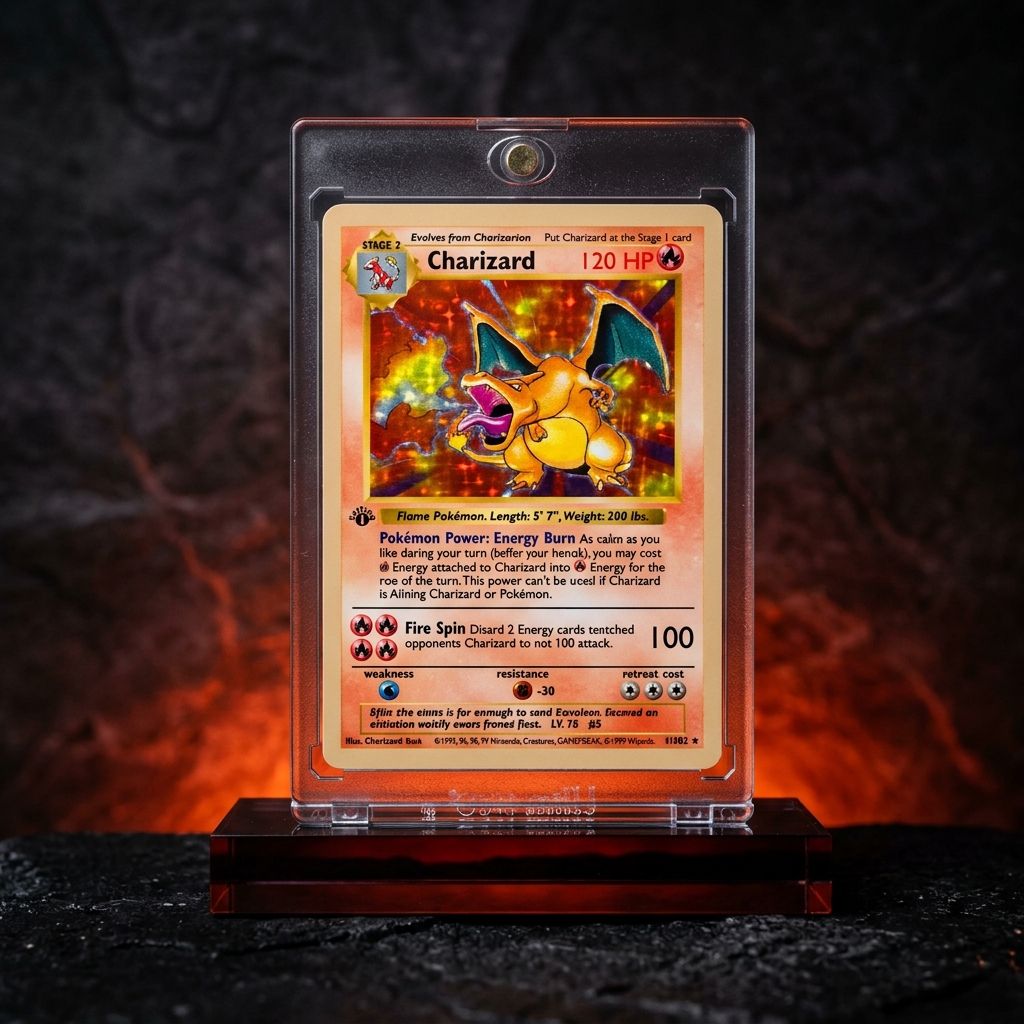
Yes — PSA grades all trading cards, including Pokémon, Magic: The Gathering, Yu-Gi-Oh!, and other gaming cards. PSA maintains a large population report for Pokémon and commands strong resale premiums on key Pokémon cards like 1st Edition Base Set Charizard. However, CGC (Certified Guaranty Company) has become particularly dominant in the Pokémon grading market and is increasingly the preferred choice for many Pokémon collectors due to competitive pricing and a dedicated Pokémon focus. Both PSA and CGC are excellent choices for Pokémon cards.