Step 1: Know What You Have Before You Sell
The single biggest mistake sellers make is listing cards without knowing their actual market value. Sellers who do their research consistently get 20–40% more than those who guess or rely on out-of-date price guides.
Before you list a single card, you need to know three things:
- The exact card identity — year, brand, set, parallel, numbered print run, whether it's autographed
- Recent sold prices — what buyers have actually paid in the last 30–90 days (not asking prices)
- Condition grade estimate — whether your card could realistically earn a PSA 10, which dramatically affects value
Identify & Value Any Card in Seconds
Take a photo of your card and CardValueFinder's AI instantly identifies it and shows you real current market values pulled from recent eBay sales.
Scan Your Cards Free →Platform Comparison: Where to Sell Sports Cards
Each selling platform has different fee structures, buyer audiences, and speed profiles. Choosing the right platform for each card type can significantly impact your net proceeds.
| Platform | Best For | Seller Fees | Audience | Speed |
|---|---|---|---|---|
| eBay | Most cards — any price point | ~13% | Massive, global | Fast (auction 7 days) |
| COMC | Mid-range $5–$200 cards | 10–20% | Card collectors | Slow (weeks–months) |
| Goldin Auctions | High-value cards $500+ | ~10% + buyer fee | Serious collectors | Auction-based |
| PWCC | Vintage & high-value cards | ~15% | Serious investors | Auction-based |
| Local Card Shops | Bulk & low-value cards | 30–50% below market | Local buyers | Instant cash |
| Facebook Marketplace | Mid-range, no-fee sales | No fees | Local only | Variable |
💡 Bottom line: For most cards, eBay is the best default platform due to its unmatched buyer audience and price transparency. Only shift to Goldin or PWCC for cards worth $500+ where auction format maximizes final price. Use local shops only for bulk sales where convenience trumps price.
Tips for Maximizing Value When Selling
Grade Valuable Cards First
A PSA 10 can be worth 3–10x a raw copy of the same card. Grade before selling if the math works.
Photograph Well
Use natural light, clean backgrounds, and shoot both front and back. Poor photos cost you money — buyers assume the worst.
Research Recent Comps
Only use eBay "Sold Listings" data — not asking prices. Check the last 30–90 days for your exact card variation.
Time Your Listings
List auctions to end on Sunday evenings ET — peak eBay traffic time. Avoid ending listings on Monday mornings.
Write Detailed Titles
Include: player name, year, set, card number, parallel name, and grade. Buyers search with specific terms.
Accept Best Offers
Enabling Best Offer on Buy It Now listings increases sale probability without sacrificing your price target.
How to Price Your Cards for Maximum Returns
Pricing is where most sellers leave money on the table — either listing too low and underselling, or too high and not selling at all. Here's a systematic approach:
Method 1: eBay Sold Listings Filter
On eBay, search your card and apply the "Sold Items" filter in the left sidebar. This shows you real completed sales, not wishful asking prices. Sort by "Most Recent" and focus on the last 60 days of data for the same card condition (raw, PSA 9, PSA 10).
Method 2: CardValueFinder
Use CardValueFinder's AI scanner for the fastest route to accurate market values. Photograph your card, and our system instantly pulls recent sold comps and shows you a current fair market range.
Method 3: PSA Price Guide
PSA's website maintains a price guide for graded cards that can supplement eBay data — particularly useful for vintage cards with fewer recent sales.
⚠️ Avoid: Pricing off collector price guides that aren't updated in real-time. The card market moves fast — a guide from 3 months ago may be significantly off from today's market.
Should You Grade Before Selling?
Grading can transform a card's value — but it's not always worth the cost, time, and risk. Here's how to decide:
✅ Grade First When:
- PSA 10 value is $200+ above raw value
- Card appears near-mint to mint condition
- You're not in a rush to sell (PSA economy: 100+ days)
- Card is a key rookie (Bowman Chrome, Prizm)
- Card is vintage with provable provenance
❌ Skip Grading When:
- PSA 10 value is under $100
- Card has visible creases, scratches, or soft corners
- You need money quickly
- Card is from 1987–1994 overproduction era
- Card is a common or low-demand player
Learn more about grading costs and whether it's worth it in our guide: Sports Card Grading Cost: PSA, BGS & CGC Pricing →
Bulk Lots vs Individual Listings: Which Is Better?
The answer depends on your time, the value of individual cards, and your selling goals. Here's a practical framework:
📦 When to Bulk Sell
- Individual card value under $2–5 each
- Large quantities of common cards
- 1987–1994 era base cards (very low demand)
- You value your time over maximum recovery
- Selling to a local shop for quick cash
🃏 When to List Individually
- Cards worth $10+ each on eBay
- Graded cards (always list individually)
- Autographed or numbered parallels
- Key rookie cards of star players
- Vintage cards with collector demand
💡 Hybrid strategy: Sort your collection first using CardValueFinder to identify any hidden gems. List high-value cards individually, then bulk-sell the remainder to a dealer or on eBay as a lot.
Platform Quick-Reference: Which to Use & When
| Card Type | Best Platform | Fee | Timeline |
|---|---|---|---|
| Raw commons < $10 | Facebook / Local Show | 0% | Days |
| Raw mid-range $10–$100 | eBay or COMC | 9–15% | Days–weeks |
| Raw star card $100–$500 | eBay auction | 12.9% | 7 days |
| Graded PSA 9 $500–$5K | PWCC or eBay | 10–15% | 1–3 weeks |
| Graded PSA 10 $1K+ | Goldin or PWCC | 10% | 2–4 weeks |
| Vintage pre-1975 | Heritage or Goldin | 10–20% | 4–6 weeks |
| Bulk raw lot | Facebook / Local / COMC | 0–9% | Days–months |
Before listing anywhere, check your card's current value — upload a photo to CardValueFinder for a free instant estimate based on recent sold data.
Frequently Asked Questions
eBay is the best platform for most sports cards due to its massive global buyer audience and transparent pricing via sold listings. For cards valued at $500 or more, Goldin Auctions typically delivers higher final prices through competitive bidding. COMC is strong for mid-range cards where you don't mind a slower sale timeline in exchange for less listing effort.
eBay charges approximately 13% of the total sale amount, which includes the item price plus any shipping charges. This Final Value Fee applies to most sports card categories. If you're using eBay's managed payments, payment processing is bundled into this fee. Factor this into your pricing so you're not surprised by what hits your account after the sale.
Grade before selling only when: the PSA 10 value is substantially higher than the raw value (generally $100+ difference), the card is in apparent near-mint to mint condition, and the grading fee + wait time makes financial sense. For cards under $100 in PSA 10 value, grading rarely makes economic sense when you factor in $25–100+ in fees plus shipping. Use CardValueFinder to check the raw vs graded value difference before submitting.
The two most reliable methods: (1) Use CardValueFinder's AI scanner — take a photo and get instant market values from recent eBay sales. (2) Search eBay with the "Sold Listings" filter active to see what buyers have actually paid, not just asking prices. Never rely on price guides alone — the card market moves in real time and guides are often months behind.
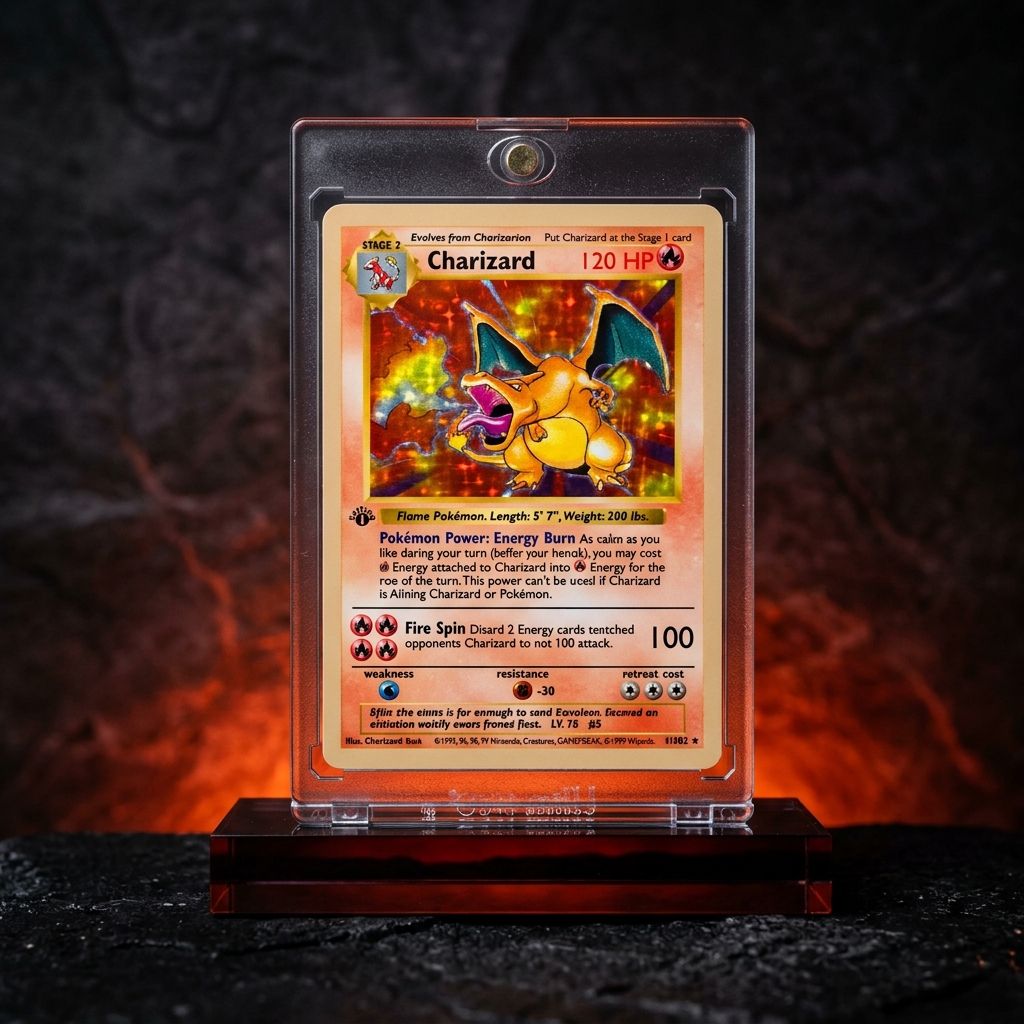
Yes — Pokémon cards sell well on eBay, and TCGPlayer is also an excellent marketplace specifically for Pokémon singles at all price points. For rare or vintage Pokémon cards (Base Set Charizard, shadowless sets, etc.), Goldin Auctions is appropriate for premium results. CardValueFinder also works for Pokémon card identification and valuation.
Low-grade common cards from the 1987–1994 overproduction era are the hardest to sell. Brands like Donruss, Fleer, Score, and early Upper Deck printed cards by the billions — resulting in near-zero collector demand today. If you have large boxes of these, bulk selling to a local card shop at pennies on the dollar (or even donating them) is often the only realistic option. The one exception: finding a high-grade rookie card of a star player from this era that could PSA 10.