Cards Worth Knowing About: Multi-Sport Examples
Our AI can value all of these cards instantly — and thousands more. Just upload a photo.
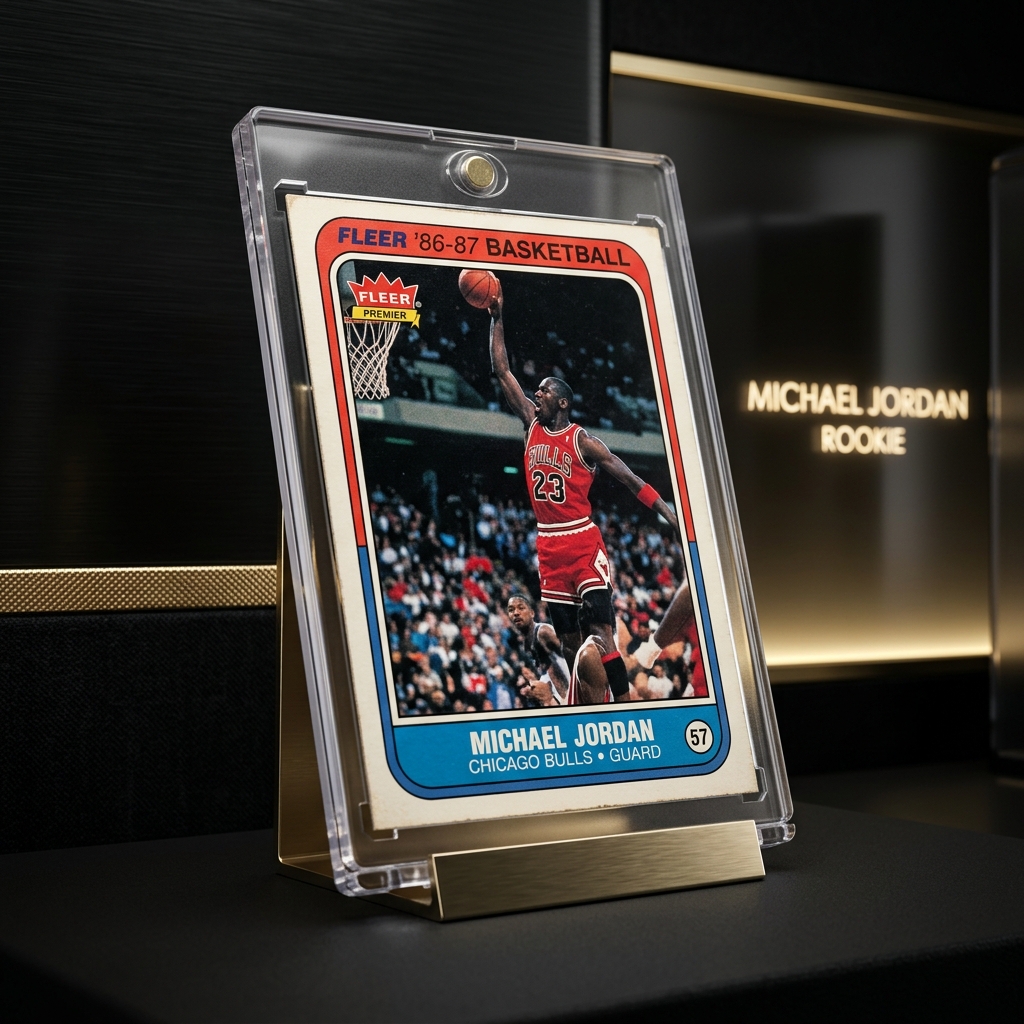
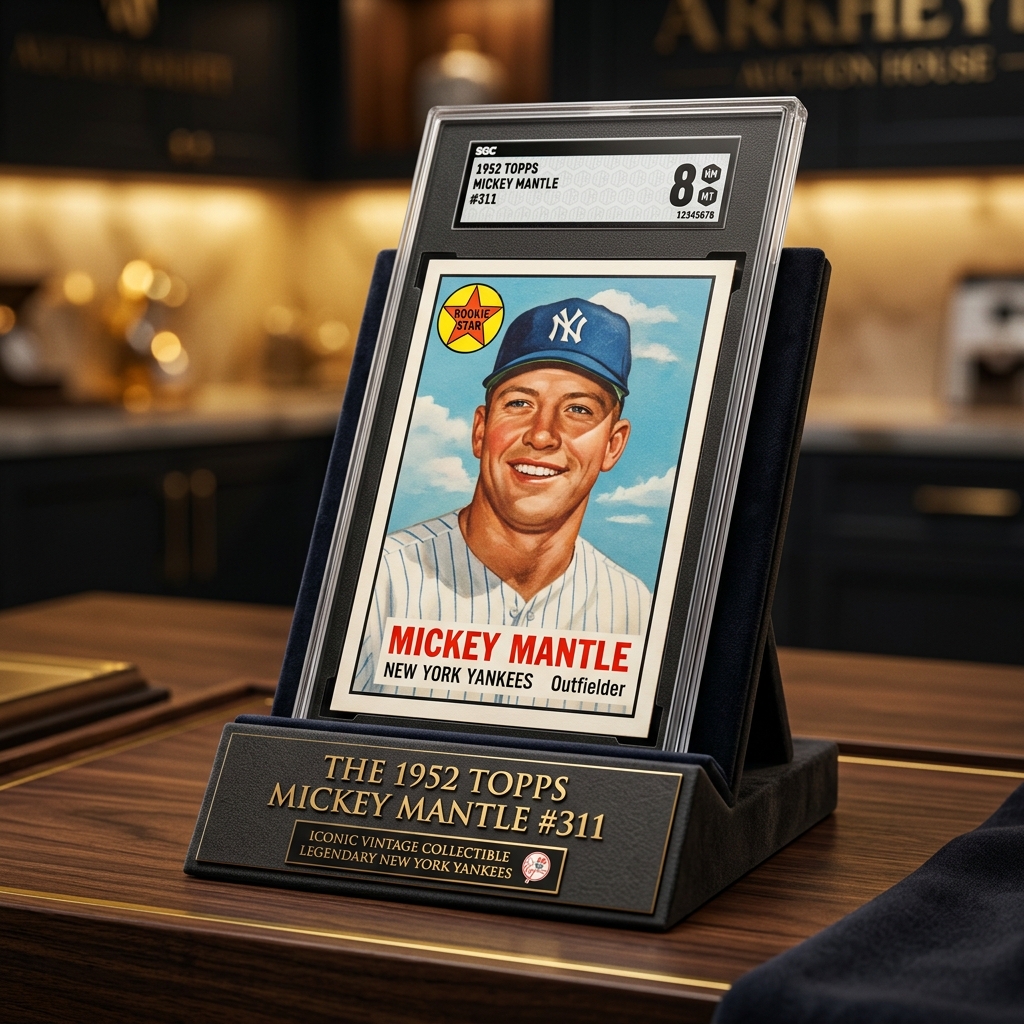
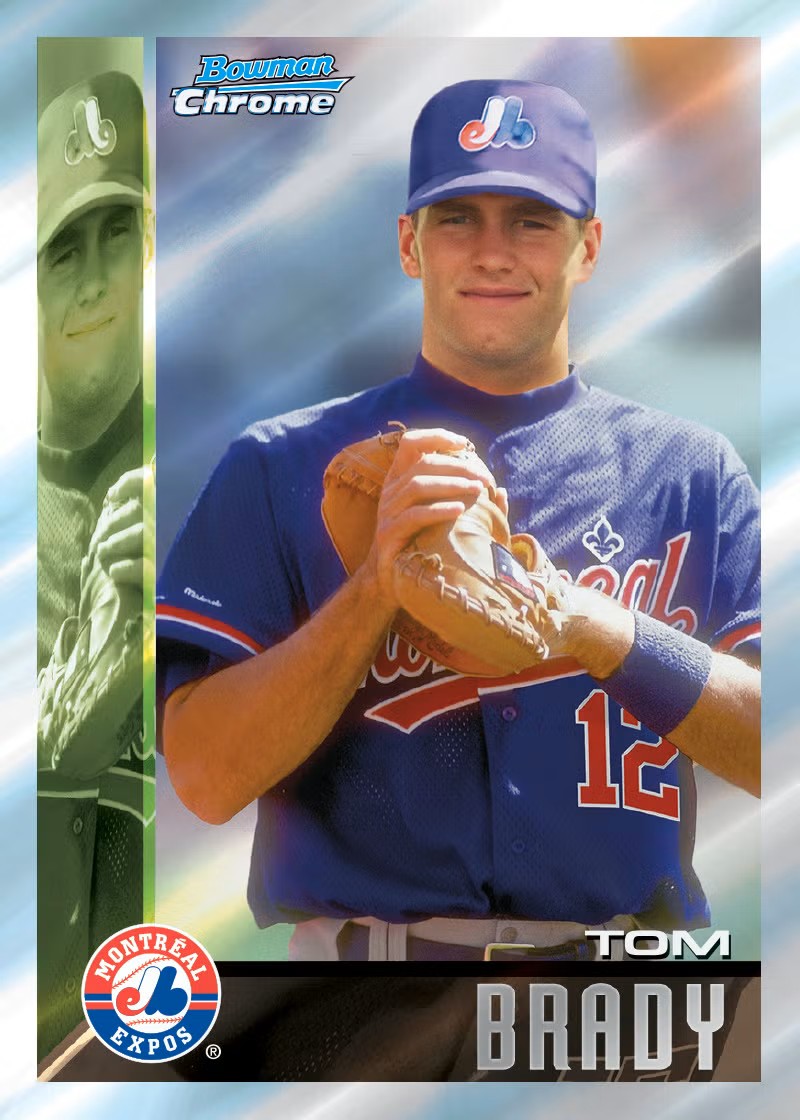
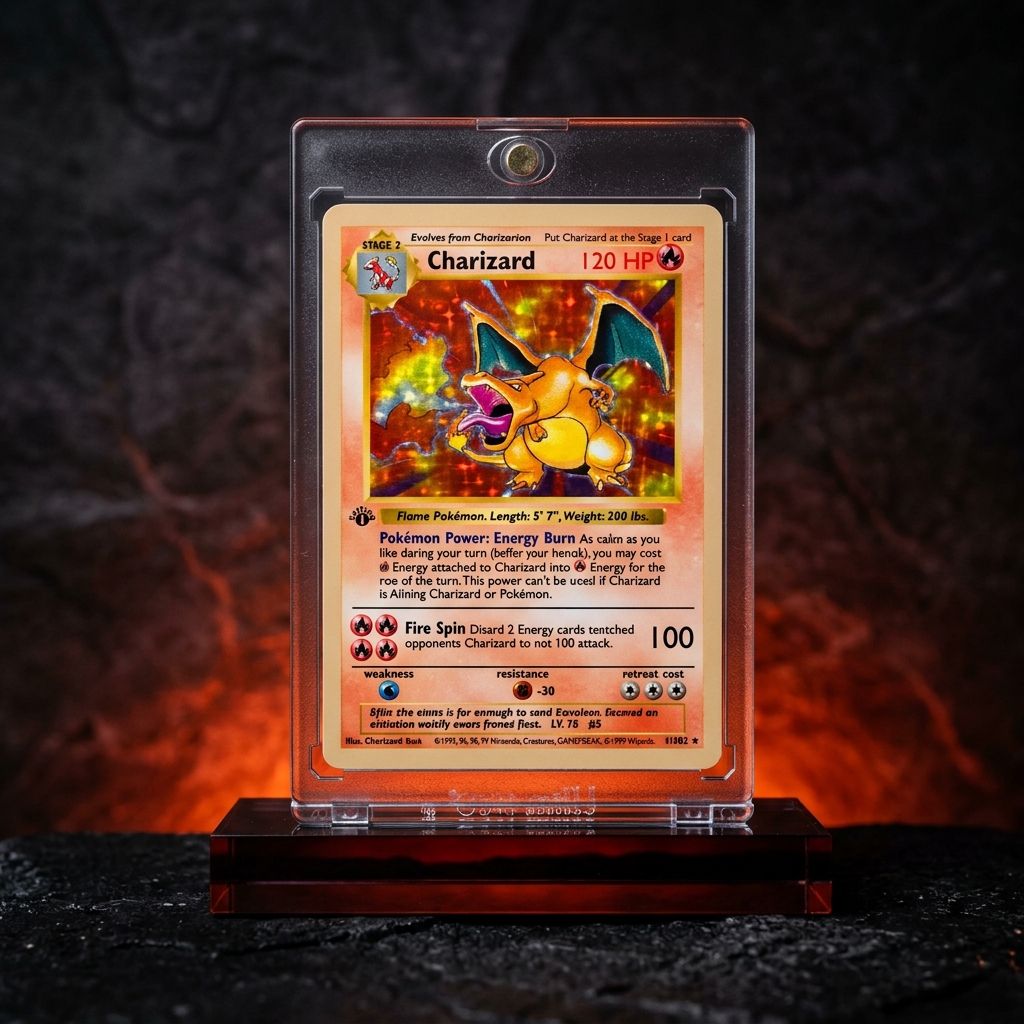
One of the most common questions in the card collecting hobby is simple: how much is my card worth? The answer is rarely straightforward — a card's value depends on the player, year, condition, rarity, and real-time market demand. This guide walks you through exactly how card values are determined, how to check prices yourself, and how to get an instant free estimate using CardValueFinder's AI scanner.
The 5 Factors That Determine Card Value
Every card valuation comes down to these five variables. Understanding them helps you immediately assess whether a card is worth more research.
1. Player / Character
Hall of Famers, legends, and active superstars command dramatically higher prices than role players or common athletes. A rookie card of a Hall of Famer in perfect condition can be worth thousands while the same card of a bench player is worth pennies.
Hall of Famers & Rookies = Premium2. Year & Set
A player's first-year (rookie) cards are almost always the most valuable cards in their portfolio. Limited production sets, first-edition runs, and pre-war cards carry significant premiums over common base sets.
Rookie Year Cards = Highest Value3. Card Number & Variation
Low-population parallels, refractors, Prizm color variations, and serial-numbered cards carry enormous premiums over base versions. A /10 parallel can be worth 10x the base card; a 1/1 Superfractor can be 100x or more.
Parallels & 1/1s = Massive Premium4. Condition
Condition is often the single biggest value driver. A PSA 10 copy of a key card can be 10 to 50 times more valuable than a worn version of the exact same card. Centering, corners, edges, and surface all matter.
PSA 10 = 10–50× Raw Value5. Rarity
Print run size, edition stamps (1st Edition, Limited, etc.), and serial numbering are direct indicators of scarcity. Cards numbered to 25 or fewer copies are considered ultra-rare. Pre-war cards with fewer than 100 known examples are exceptionally valuable regardless of condition.
Lower Print Run = Higher ScarcityHow to Check What Your Card Is Worth
There are four reliable methods — ranked here from fastest to most detailed.
Upload a photo of your card (front + optional back) and our AI instantly identifies the player, year, set, card number, and variation — then cross-references recent eBay sold data to give you a value estimate including raw and estimated PSA 10 value. No account required. Takes under 30 seconds. Try it free →
Go to eBay, search your exact card (year + player name + set + "rookie" or card number), then filter by "Sold Items" in the sidebar. This shows you what buyers actually paid — not what sellers are asking. Sort by most recent to see current market conditions. This is the gold standard for raw card valuation.
Visit PSA's website and look up your card to see how many copies have been graded at each grade level. A PSA 10 population of 5 means only 5 PSA 10s are known to exist — extremely valuable. A population of 5,000 means PSA 10s are common and premiums may be lower. Pair PSA pop reports with eBay sold data for graded cards.
Beckett publishes industry-standard price guides used by dealers and shops for decades. They list "high" and "low" values for most cards. While useful as a baseline, Beckett prices can lag real market activity by months — always cross-reference against actual eBay sold data for current valuation. Available at Beckett.com (subscription) and in print.
Card Value by Sport
Each sport has its own market dynamics. Explore our in-depth guides for the cards and prices that matter most by category.
What Makes a Card Valuable? Real Examples
Condition transforms value. Here's how the same card can range from $30 to $200,000 depending on grade.
| Card | Raw (EX/GD) | Raw (Near Mint) | PSA 9 | PSA 10 |
|---|---|---|---|---|
| 1989 UD Ken Griffey Jr. #1 RC | $30 | $85 | $200 | $2,000 |
| 1986 Fleer Michael Jordan #57 RC | $800 | $3,000 | $15,000 | $175,000 |
| 1999 Base Set Charizard (1st Ed.) | $300 | $5,000 | $15,000 | $200,000 |
| 2017 Prizm Patrick Mahomes RC | $300 | $800 | $1,500 | $7,000 |
* Prices are approximate based on recent market activity and may vary. Check current eBay sold listings for real-time valuations.
Should You Get Your Card Graded?
Grading makes sense for some cards but not all. Here's how to decide.
✅ Consider Grading If...
Typical PSA Grade Premium Multipliers (vs. Raw NM)
Learn more in our complete guide: How to Grade Sports Cards and our PSA vs BGS vs CGC comparison.
Step-by-Step: Use CardValueFinder Free
Get an accurate card estimate in under 30 seconds — no signup, no subscription, no cost.
Take a Clear Photo of Your Card
Place the card on a flat, well-lit surface. Take a close-up photo of the front. For best results, also photograph the back. Make sure the card number, player name, and any foil or parallel details are clearly visible. Natural light works best — avoid shadows and glare.
Upload to CardValueFinder.com
Visit CardValueFinder.com and upload your photo. The AI automatically identifies the card — including player, year, set, card number, and variation. No manual data entry required. If you have a parallel or rare variation, our system will attempt to identify it from visual cues.
Get Your Instant Value Estimate
Within seconds, receive an AI-powered estimated market value, plus an estimated PSA 10 value calculated from our Digital Mint Score™ condition assessment. Use this to decide whether to sell, hold, or submit for professional grading.
Frequently Asked Questions
Everything you need to know about finding out what your sports card is worth.