$738,000
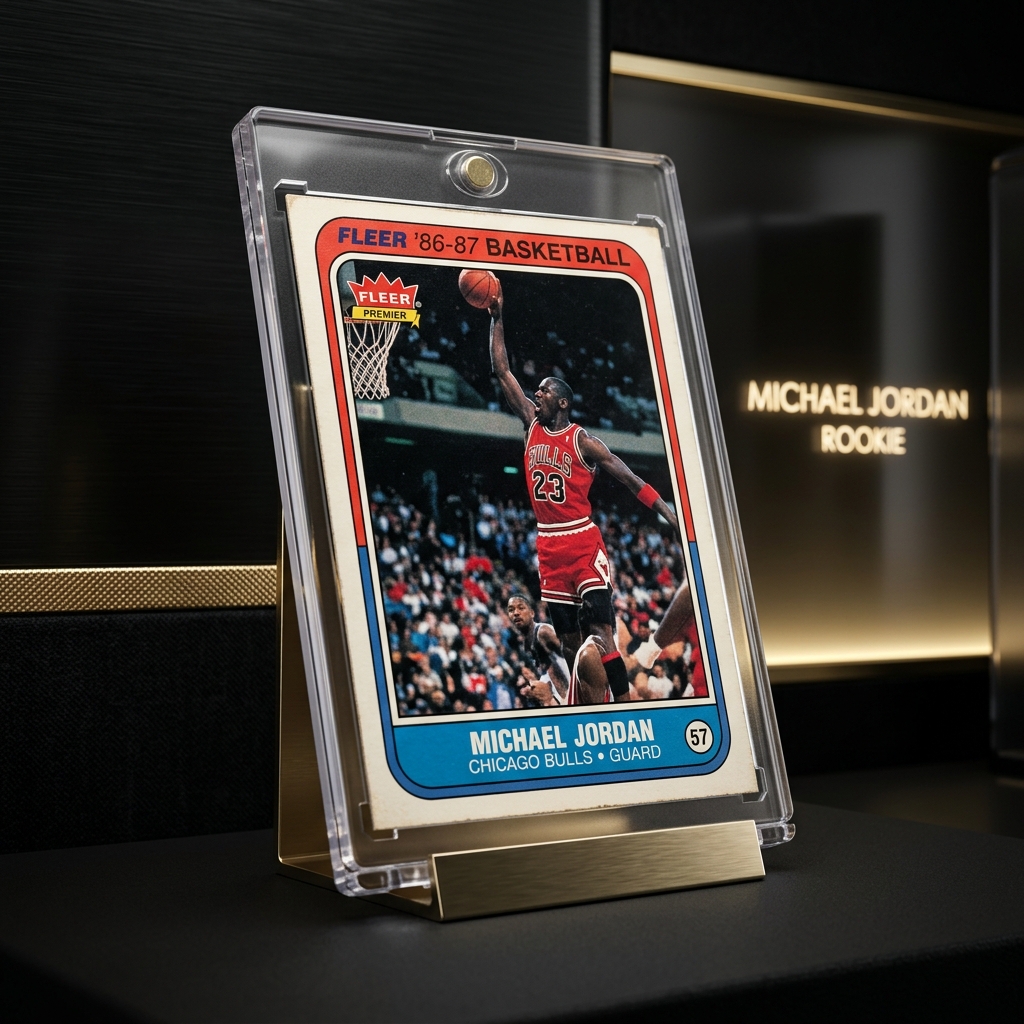
1986 Fleer Jordan Rookie — PSA 10
PSA 10 sold for $738K on eBay in 2021. Knowing its value before listing is non-negotiable.
The complete 2026 guide to every major card selling platform — with fees, pros, cons, and exactly when to use each one. Plus the one thing you must do before selling any valuable card.
Record Sales
These iconic cards define the ceiling — and prove that knowing value and choosing the right platform is everything.
PSA 10 sold for $738K on eBay in 2021. Knowing its value before listing is non-negotiable.
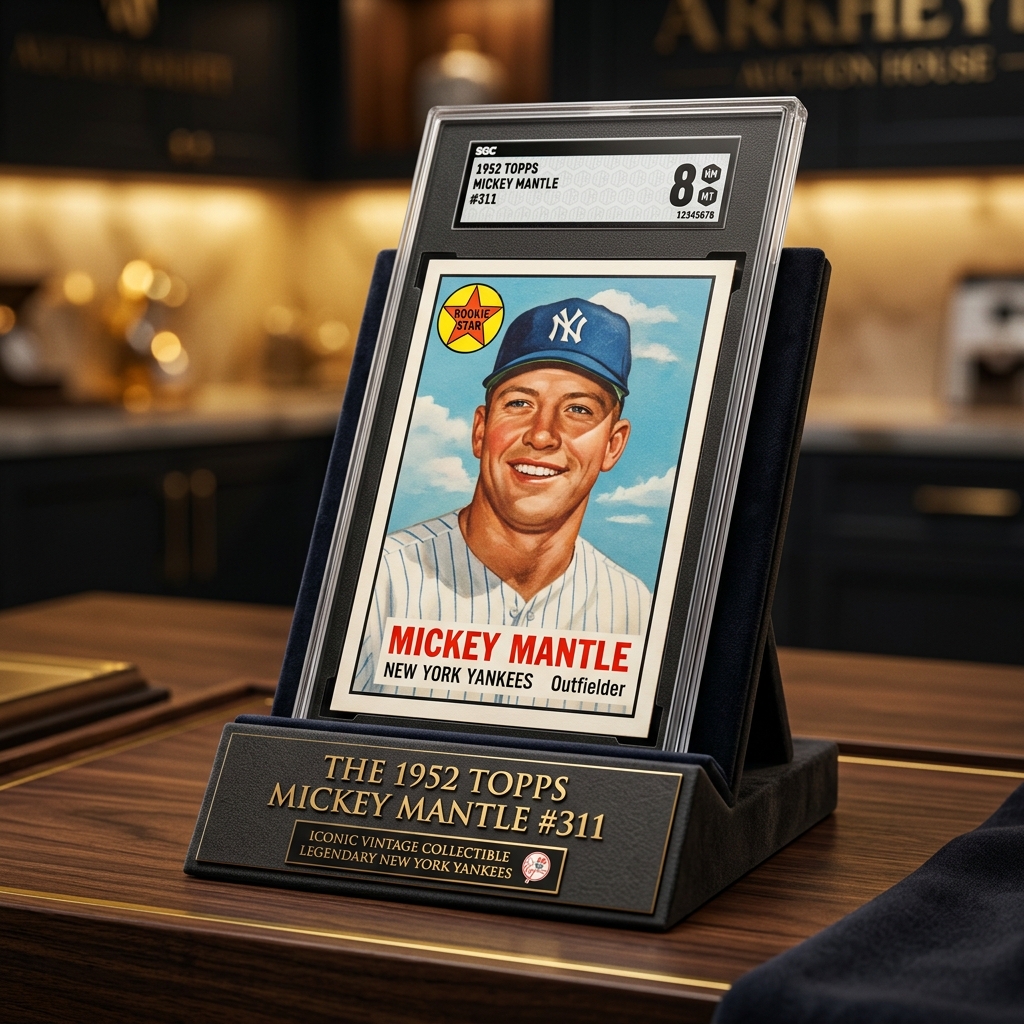
The $5.2M PSA 9. This is why you always check value before you sell — the difference between platforms is enormous.
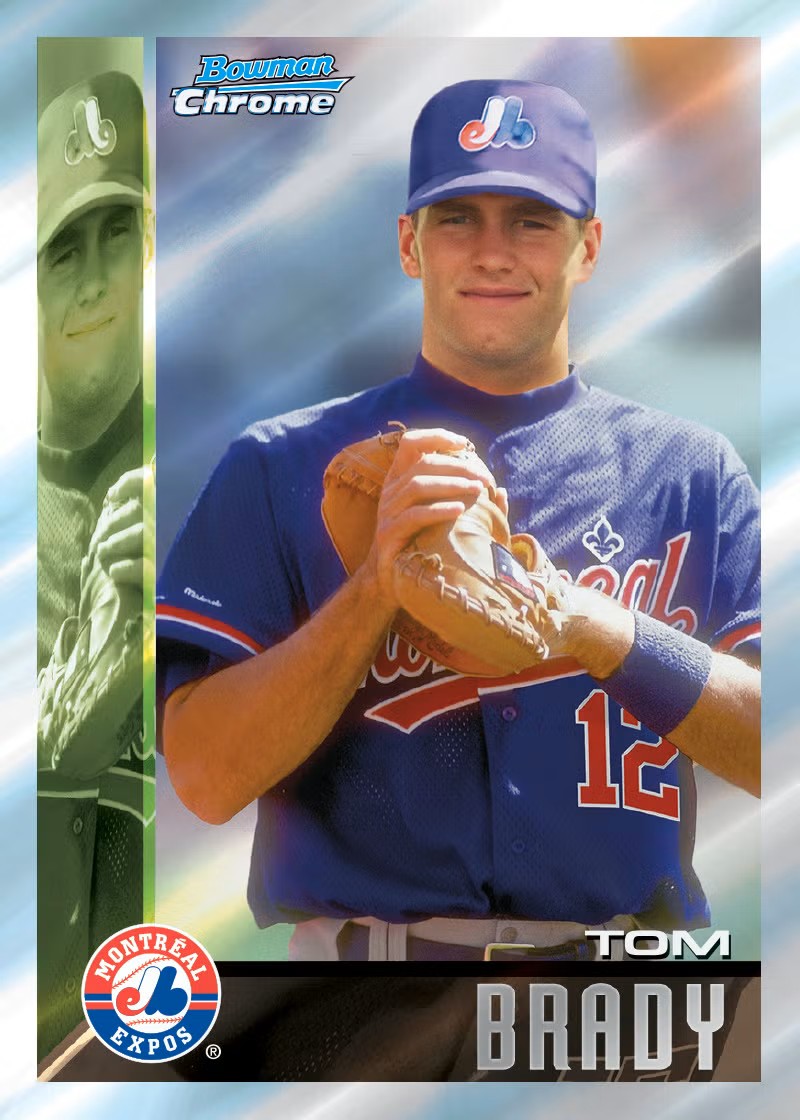
$2.25M for a Chrome Refractor /500 at Goldin. Platform choice mattered — an auction house was the right call.
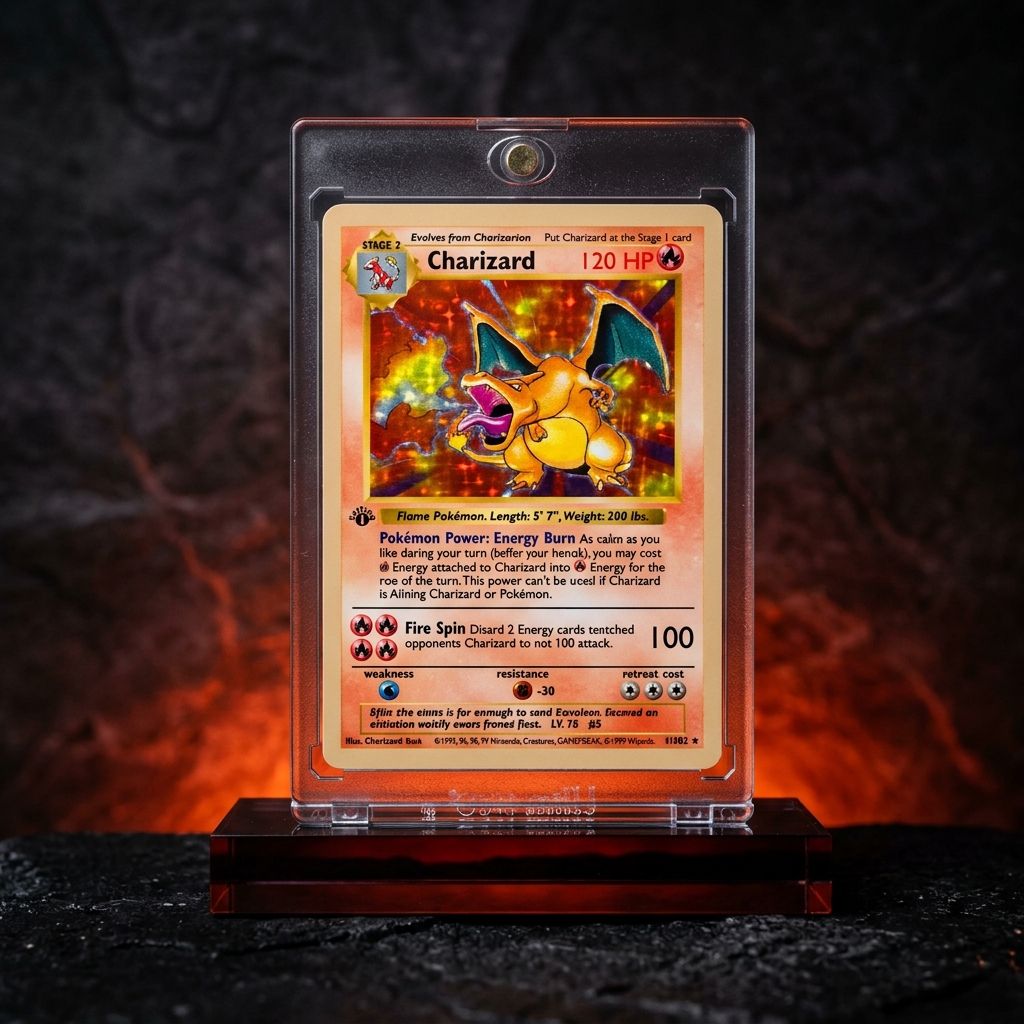
$420K at PWCC. Choosing the right auction house added six figures to the final result.
The Hidden Variable
The same card can sell for 20–40% more on the right platform. A Michael Jordan PSA 10 on eBay, Goldin, and PWCC will yield dramatically different results — sometimes tens of thousands of dollars apart on a single card.
Fees eat into profits silently and compound fast. A 15% platform fee on a $10,000 card costs you $1,500 — more than many people make in a week. Understanding each platform before you list is the most financially important decision a seller makes.
And before any of that: you need to know what your card is actually worth. Listing without knowing your value means leaving money on the table, every single time.
Quick Reference
Eight platforms, side by side. Use this to quickly narrow down your options before reading the deep-dives below.
| Platform | Best For | Seller Fee | Listing Fee | Timing |
|---|---|---|---|---|
| eBay | Most cards $25–$5K | 12.9–14.9% | $0 | 7–30 days |
| COMC | Mid-range, no-ship | 9% + $0.25/card | None | Weeks–months |
| Facebook Marketplace | Raw cards under $200 | 0% local | None | Days |
| Local Card Shows | Bulk, raw cards | 0% | Table: $50–$150 | 1 day |
| Local Card Shops | Quick cash, bulk | 40–60% below market | None | Immediate |
| Goldin Auctions | $1,000+ graded cards | 10% seller + 20% buyer | None | 2–4 weeks |
| PWCC | $500+ graded cards | 10–15% | None | 1–3 weeks |
| Heritage Auctions | Vintage/high-end | 20% buyer's premium | None | 4–6 weeks |
Deep Dives
Everything you need to know about each platform — who it's for, what it costs, and when to use it.
eBay is the undisputed king of card selling for the vast majority of collectors. With 190 million active buyers, no other platform comes close for raw reach. The cards category charges 12.9% final value fee for most sellers, slightly lower with an eBay Store subscription.
Best for raw cards in the $25–$5,000 range and modern graded singles. List Thursday evening for 7-day auctions to catch both weekend traffic spikes. Include "sold as shown" language for high-value cards and always use high-resolution photos against a neutral background.
Pro tip: Use eBay's "Completed Listings" filter to see exactly what cards have sold for recently — this is your most powerful pricing tool available for free.
COMC (Check Out My Cards) is the world's largest card marketplace by inventory. You ship your cards in bulk, they photograph and catalog everything, and fulfill individual orders to buyers. Set your prices and forget it — no packaging, no trips to the post office.
Best for mid-range raw cards in the $10–$500 range and collections of 50+ cards. The 9% + $0.25 per card commission is fair for the hands-off service. The main drawback is patience: cards can sit for weeks or months before selling, especially at higher price points.
Upfront submission fees apply per card processed, so bulk submissions pencil out better. Research COMC's current pricing tiers before submitting large lots.
Facebook Marketplace and dedicated sports card collector groups (many with 500,000+ members) offer zero-fee selling for local transactions. You keep 100% of the sale price when meeting a local buyer. For shipped sales within groups, fees only apply if using Facebook's checkout system — most group deals bypass this entirely.
Best for raw cards under $200, bulk collections, and vintage commons where eBay fees would eat your entire margin. The "Sports Card Collectors" ecosystem on Facebook is massive and active.
Risk management is critical: Payment disputes and shipping scams are common. Always use PayPal Goods & Services (never Friends & Family) for shipped cards. For local meetups, use public places and require cash or verified Zelle/Venmo payment only.
Local card shows are the original card selling venue and still one of the best for certain types of cards. Zero platform fees, immediate payment, and the ability to reach dedicated collectors in person make shows ideal for bulk raw lots, vintage commons, and niche cards that don't move online.
Typical shows have 50–300 dealer tables with entry fees of $2–$10 for attendees. Table rental runs $50–$150 depending on show size and location. You don't need a table to sell — many shows allow floor transactions between attendees and dealers.
Pro tip: Don't sell your highest-value graded cards at shows unless you intimately know the market. Show buyers (especially dealers) are experienced negotiators looking for deals. Use shows for volume movement, not maximum value extraction on trophy cards.
Local card shops offer one thing no other platform can match: instant cash, right now, for your cards. Walk in, show your collection, get an offer, walk out with money. No waiting, no listings, no shipping. For that convenience, shops buy at 40–60% of market value — that's their profit margin built in.
This is genuinely the right choice when you need liquidity immediately, are dealing with bulk lots of common cards, or want to clear out collections without the time investment of individual listings. A shop is not the enemy; it's a service you're paying for with the discount.
Never sell graded star cards to a shop without first checking their value. A PSA 10 Rookie sold to a shop for $800 that's worth $3,000 online is a painful and permanent mistake. Know your value first.
Goldin Auctions is the premier destination for trophy sports cards and memorabilia. Home to some of the most significant sales in hobby history — Mantle's $5.2M sale, LeBron's $2.4M, Brady's $2.25M — Goldin attracts ultra-serious collectors willing to pay record prices for the right material.
The 10% seller commission feels low, but remember the 20% buyer's premium adds significant cost to the buyer's side, which can suppress competitive bidding. For true PSA 9/10 graded stars, rare vintage material, and high-end Pokémon, no platform will deliver better realized value.
Goldin curates its submissions — application is required and not all cards are accepted. This selectivity is actually a feature: the catalog quality and buyer trust command higher prices. If your card is accepted, you're in the best possible auction environment.
PWCC is the dominant mid-to-high tier graded card auction platform. Running weekly auctions, PWCC reaches a massive pool of active buyers specifically hunting for PSA and BGS graded cards. The combination of weekly auction cadence and Buy It Now options gives sellers flexibility that Goldin doesn't.
The PWCC Vault allows sellers to store their cards securely and list them for sale without ever physically shipping until sold — valuable for high-volume dealers. Fees run 10–15% depending on sale price and tier, with top-tier cards paying less percentage-wise.
Best for the $500–$50,000 range where you want auction-driven price discovery with a more frequent cadence than Goldin. PWCC's buyer pool for this range is unmatched, and the weekly format means faster liquidity than waiting for a major Goldin catalog auction.
Heritage Auctions is the oldest and most established name in American auction houses, with deep roots in sports memorabilia and collectibles. Their presentation is catalog-quality — professionally written descriptions, pristine photography, and marketing to a broad collector base that includes traditional antiques collectors, not just card hobbyists.
That crossover audience is Heritage's secret weapon for vintage material. Pre-1975 cards, tobacco-era cards, early baseball memorabilia, and high-end graded vintage all perform exceptionally well because Heritage reaches buyers who may not browse PWCC or Goldin regularly.
The 20% buyer's premium is the highest on this list and can suppress competitive bidding at the margin. Weigh this against Heritage's premier presentation and broad marketing reach. For truly exceptional vintage material, the prestige and buyer diversity often justifies the cost.
Grading Strategy
Grading can multiply your card's value — or waste your money. Here's how to decide.
Decision Framework
Match your card to the right platform in seconds with this decision table.
| Card Type | Best Platform | Why |
|---|---|---|
| Raw common (under $10) | Facebook / Local Show | No fees, immediate — eBay fees destroy margins at this price point |
| Raw mid-range ($10–$100) | eBay or COMC | Largest buyer pool ensures competitive pricing; COMC for no-shipping convenience |
| Raw star card ($100–$500) | eBay auction | Competitive bidding drives price discovery; more buyers than anywhere else |
| Graded PSA 9 ($500–$5K) | PWCC or eBay | Active graded card buyers; weekly PWCC auctions provide strong liquidity |
| Graded PSA 10 ($1K+) | Goldin / PWCC | Specialist buyers pay maximum for elite grades; auction competition maximizes value |
| Vintage pre-1975 | Heritage or Goldin | Specialist buyer base; vintage collectors shop Heritage specifically |
| Bulk raw lot (any value) | Facebook / Local / COMC | Volume movement; COMC handles fulfillment, local/FB avoids all fees |
Sellers who research their card's value before choosing a platform consistently earn more. Don't leave money on the table.
📸 Check My Card Value — Free →FAQ
Everything sellers ask before choosing a platform.
Keep Learning
Don't guess. Don't undersell. Our free card value checker uses real sold data to show you exactly what your card is worth right now — before you list on any platform.
📸 Check My Card Value — Free →