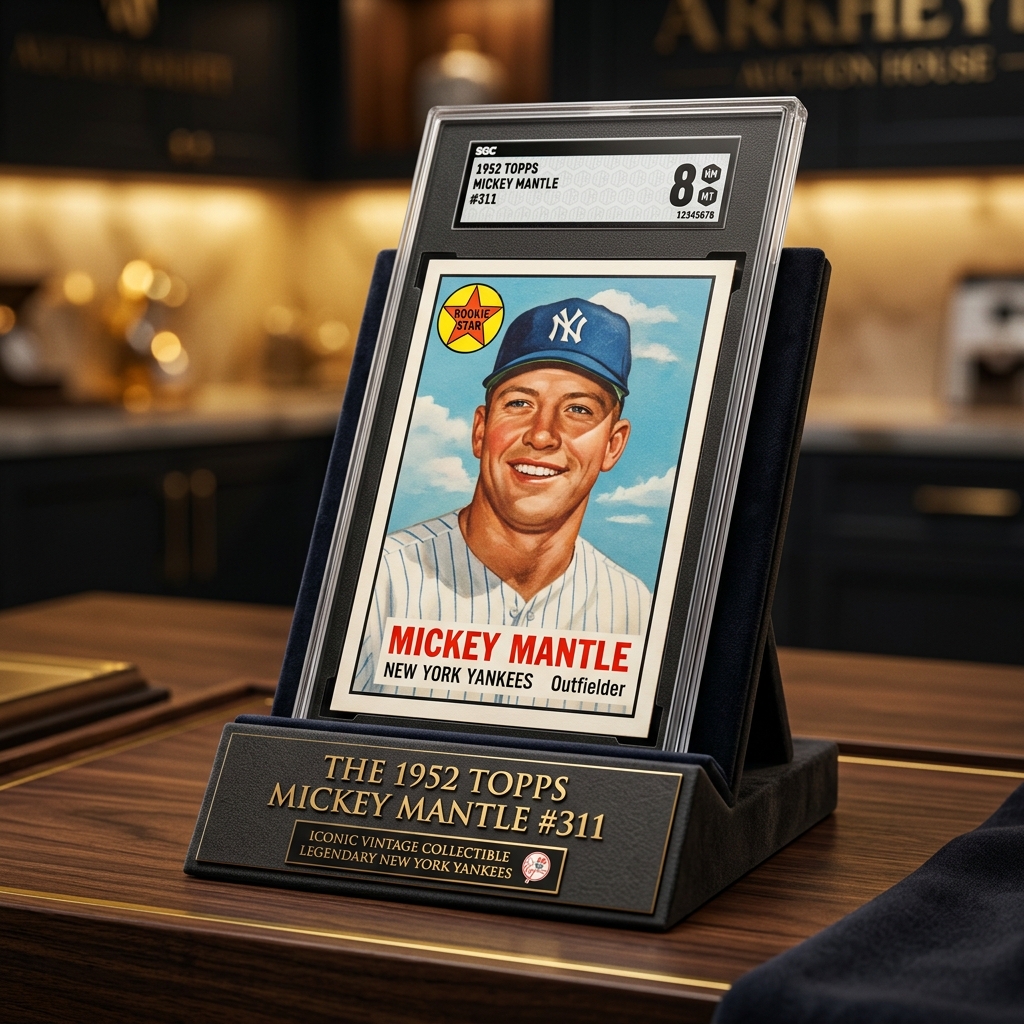
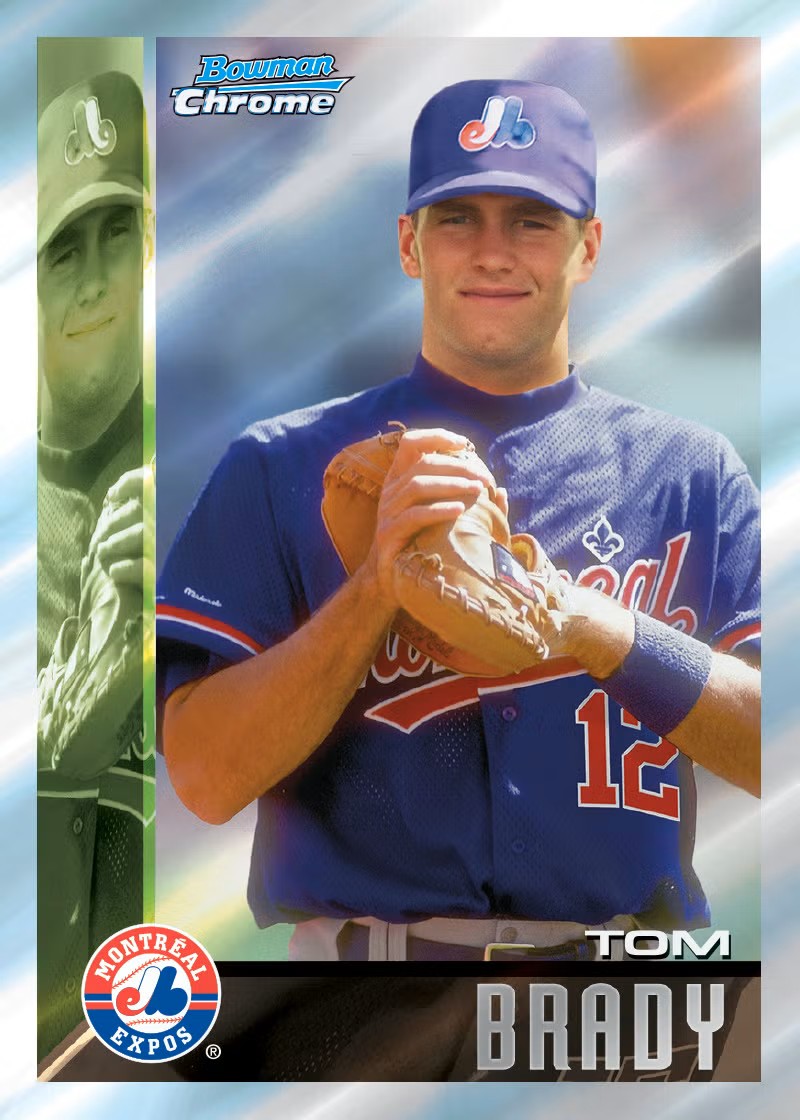
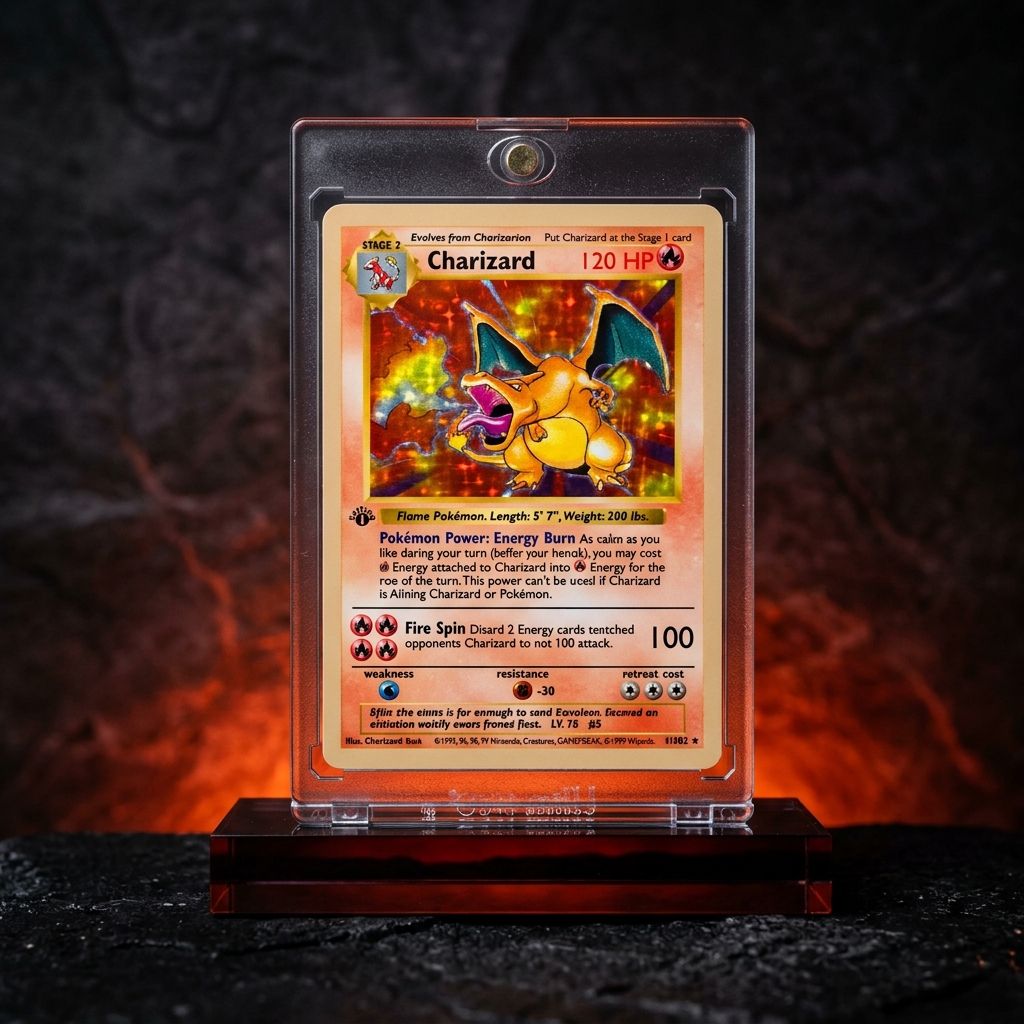
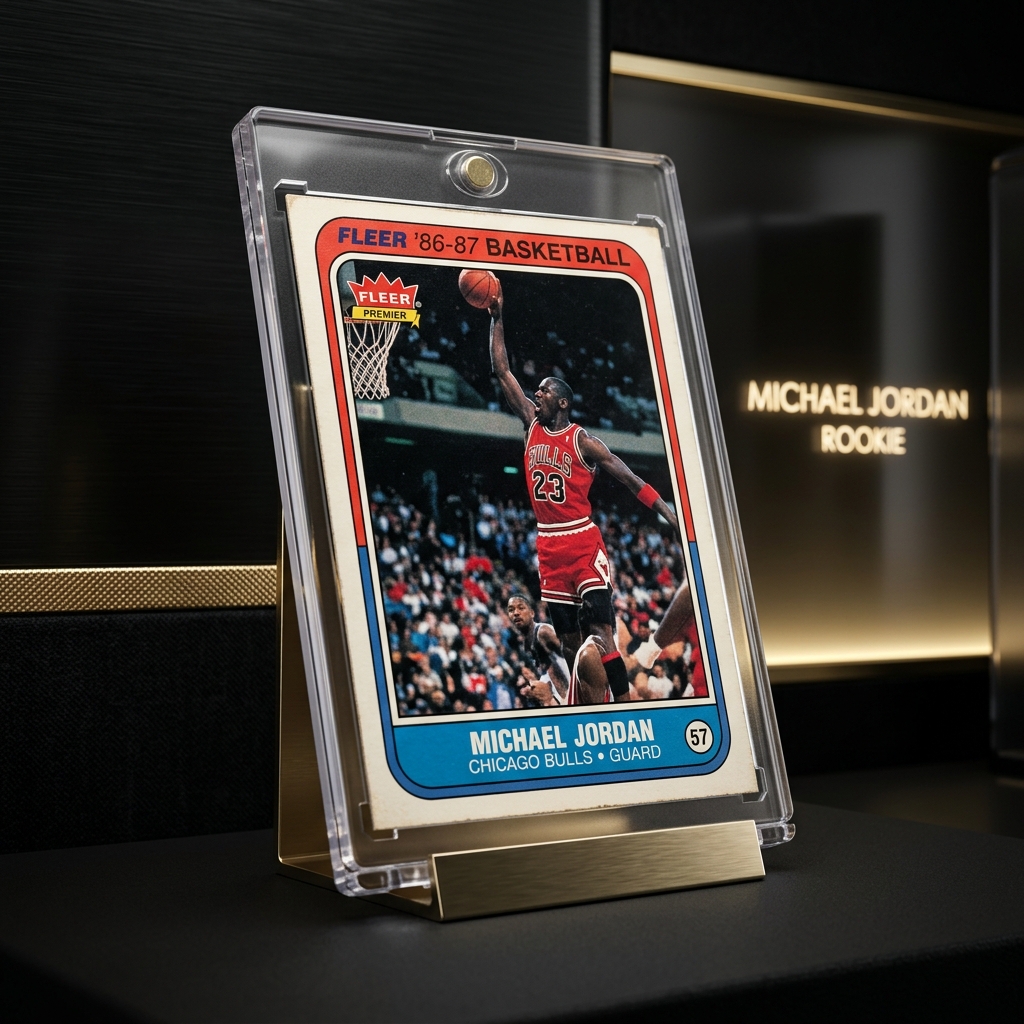
Everything you need to know before submitting to PSA, BGS, or CGC — from assessing your card at home to packaging it properly for shipment.
See why grading transforms raw card values — and what makes each of these icons a strong submission candidate.
Grading is an investment of time and money. Use this guide to decide if it makes sense for your card.
PSA, BGS, and CGC all evaluate the same four criteria. Understanding each is essential before any submission.
Centering measures how evenly the printed image is positioned within the card's borders. PSA requires the front borders to be no worse than 55/45 (left-to-right and top-to-bottom) and 65/35 on the back for a PSA 10. Use calipers or a centering tool to measure at home before submitting — centering is often the dealbreaker.
Corners are graded under magnification. Sharp, needle-point corners with no fraying or wear indicate a PSA 10 candidate. Even a single fuzzy or dinged corner can drop a card to PSA 8 or lower. Inspect all four corners under a bright directional light source, tilting the card to reveal wear invisible in flat lighting.
Run your fingertip gently along all four edges of the card. Any chips, dents, nicks, or rough texture will result in edge deductions. White spots on colored-border cards are especially problematic. Edge damage is common from cards stored in binders or sliding against other cards without proper sleeves.
Surface is the most difficult criterion to evaluate without professional tools. Scratches, print lines, staining, and fingerprint oils all affect the surface score. To inspect, hold the card under a bright lamp (not overhead fluorescent) and rotate it slowly at various angles — surface defects only become visible at specific light angles.
Follow these tips before every submission to maximize your PSA 10 rate and protect your investment.
Tilt the card under a bright, focused lamp — not overhead fluorescent lighting — at multiple angles. Surface scratches and print lines only appear at certain light angles and will be completely invisible under flat ambient lighting. The majority of "surprise PSA 8" outcomes happen because collectors assessed their cards in poor lighting conditions at home. A simple desk lamp aimed at a 30–45° angle can reveal flaws that would otherwise only be discovered by a PSA grader. Take your time and rotate the card through a full range of angles, inspecting both front and back thoroughly before committing to a submission fee.
A 10× jeweler's loupe, available for around $15 on Amazon, will reveal corner wear, edge chips, and surface print lines that are completely invisible to the naked eye. This is an essential tool for any serious submitter — PSA graders use magnification and high-powered lights as standard procedure. If you wouldn't submit a diamond for appraisal without knowing its characteristics, don't submit a valuable card without proper inspection tools. A loupe pays for itself the first time it saves you a $50 submission fee on a card that was always going to grade PSA 7.
Fingerprint oils cause surface damage that PSA grades down — oils are acidic and can leave invisible marks that become visible under professional inspection equipment. Always handle cards by the edges only, never touching the front or back of the card. For high-value submissions ($500+), wear lint-free cotton gloves. This also applies when showing cards to friends or potential buyers. A single bare-hand touch to the surface of a pristine vintage card can be the difference between a PSA 10 and a PSA 9 — a gap that on a key card could mean thousands of dollars in lost value.
A penny sleeve alone provides minimal protection. The correct storage stack for submission-bound cards is: penny sleeve → semi-rigid card saver (not a hard toploader, which can damage corners) → team bag for transport. PSA accepts cards submitted in penny sleeves or card savers — check their current submission guidelines before mailing, as requirements do update. Hard toploaders can actually damage corners during shipping if the card shifts inside. Semi-rigid card savers provide snug, protective storage without the corner-damage risk of a loose toploader.
Attempting to clean a card — even with a soft microfiber cloth — almost always causes additional surface damage. Micro-scratches from wiping, residue from cleaners, and altered surface texture are all detectable by PSA graders under magnification. Never use water, alcohol, cleaning solutions, erasers, or any abrasive material on a card surface. The only minimally safer option is a very gentle breath from a distance followed by a lens air blower for loose dust — and even this carries meaningful risk. If your card is dirty or dusty, that condition should factor into your submission decision, not your cleaning routine.
Purchase a card centering tool or digital calipers ($10–$20) and measure the borders before every submission. Measure the left and right border widths on the front of the card and divide the larger by the smaller to get the centering ratio. Repeat for top and bottom, then again on the card back. Front centering must be within 55/45 for PSA 10 consideration; back centering must be within 65/35. If a card is outside these thresholds, it is capped at PSA 9 at best regardless of perfect corners, edges, and surface. This single step will save you significant submission fees on out-of-spec cards.
PSA's Population Report — available at psacard.com — shows how many copies of every card have been graded and at what grade. Before submitting, look up your specific card and check the PSA 10 population. A card with 12 PSA 10 copies carries massive scarcity premium; a card with 4,000 PSA 10 copies has a much smaller grading ROI. High population = lower per-slab premium. Low population = strong PSA 10 upside. Also use the pop report to identify which print runs or variations of a card grade well vs. poorly, informing your raw card buying strategy at shows or on eBay.
Not all grading companies are created equal in terms of market recognition and buyer preference. PSA offers the best brand recognition and resale premium across all card categories — for most sellers, PSA is the safe default. BGS (Beckett Grading) is the strictest grader and a BGS 10 Black Label is an extreme rarity that commands enormous premiums, particularly for basketball. CGC is growing rapidly and is strong for Pokémon cards and comics. SGC offers competitive turnaround for vintage baseball. Match your card's category to the service with the strongest buyer community for that type of card.
For shipping submissions, sandwich each sleeved card between two identical-size pieces of corrugated cardboard (cut from a shipping box), tape the sandwich together firmly, and seal in a bubble mailer. The cardboard prevents the card from flexing during transit — a single hard bend can ruin corner sharpness. For submissions of $500+ per card, use a rigid flat-rate box with additional foam padding around the cardboard sandwich. Never send cards in a standard envelope with no rigid backing — mail handling equipment will bend them. Label the package "DO NOT BEND" on all sides.
PSA turnaround time varies dramatically by service tier: Economy ($25/card) targets approximately 2–6 months; Standard ($50/card) targets 45 business days; Express ($150/card) targets 5 business days. Submitting before a seasonal peak — NFL/NBA playoffs, major Pokémon set releases, a player's playoff run — can affect how quickly your returned slabs capitalize on heightened market demand. Factor turnaround time into your selling window. A card submitted in October for an NFL playoff run might return in January, perfectly timed for Super Bowl season demand spikes.
Use this table to choose the right grading service for your card type, budget, and timeline.
| Company | Starting Price | Min Value Rec. | Turnaround | Best For |
|---|---|---|---|---|
| PSA | $25 (Economy) | $75+ | 2–6 months | All sports cards; widest market recognition and resale premium |
| BGS | $25 (bulk) | $100+ | 2–4 months | Basketball cards; strictest grading standards; BGS 10 Black Label |
| CGC | $18 (economy) | $50+ | 1–3 months | Pokémon TCG and comic books; fastest-growing grader |
| SGC | $20 (standard) | $75+ | 4–8 weeks | Vintage baseball cards; competitive turnaround for pre-1980 cards |
Use our AI scanner to get an estimated condition grade and PSA 10 likelihood before committing to any submission fees.
📸 Scan My Card for FreeAnswers to the most common questions collectors have before their first submission.
Dive deeper into sports card grading with our expert guides.
Upload a photo and get an AI-powered condition estimate and market value in seconds — no account required.