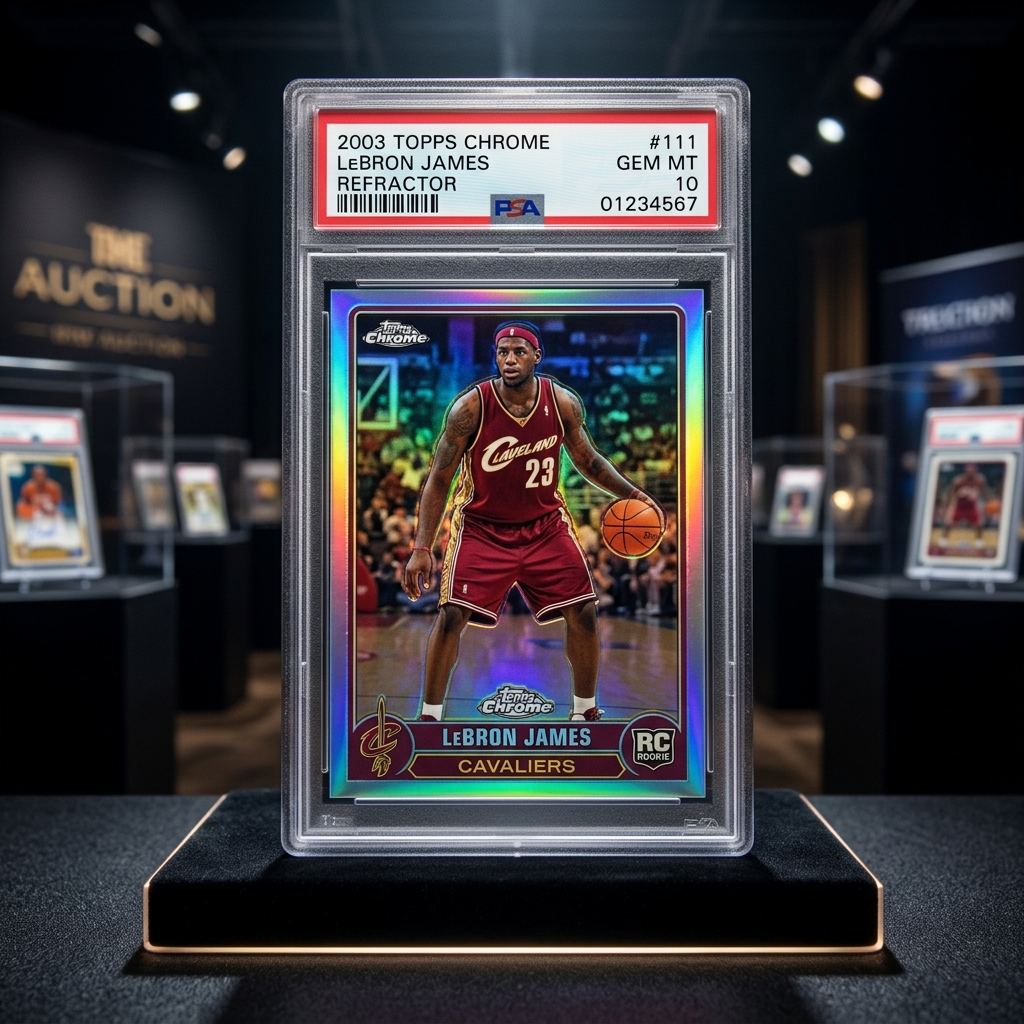
Ready to find out what your card is worth?
Join thousands of collectors who use CardValueFinder every day — it's 100% free and takes less than 30 seconds.
📸 Check My Card's Value Free →No account needed · Works on any device · Results in seconds
The fastest way to find out what any sports card is worth — upload a photo and get an instant AI-powered estimate based on real eBay sold data, PSA grade estimates, and current market trends. No signup required.
Join thousands of collectors who use CardValueFinder every day — it's 100% free and takes less than 30 seconds.
📸 Check My Card's Value Free →No account needed · Works on any device · Results in seconds
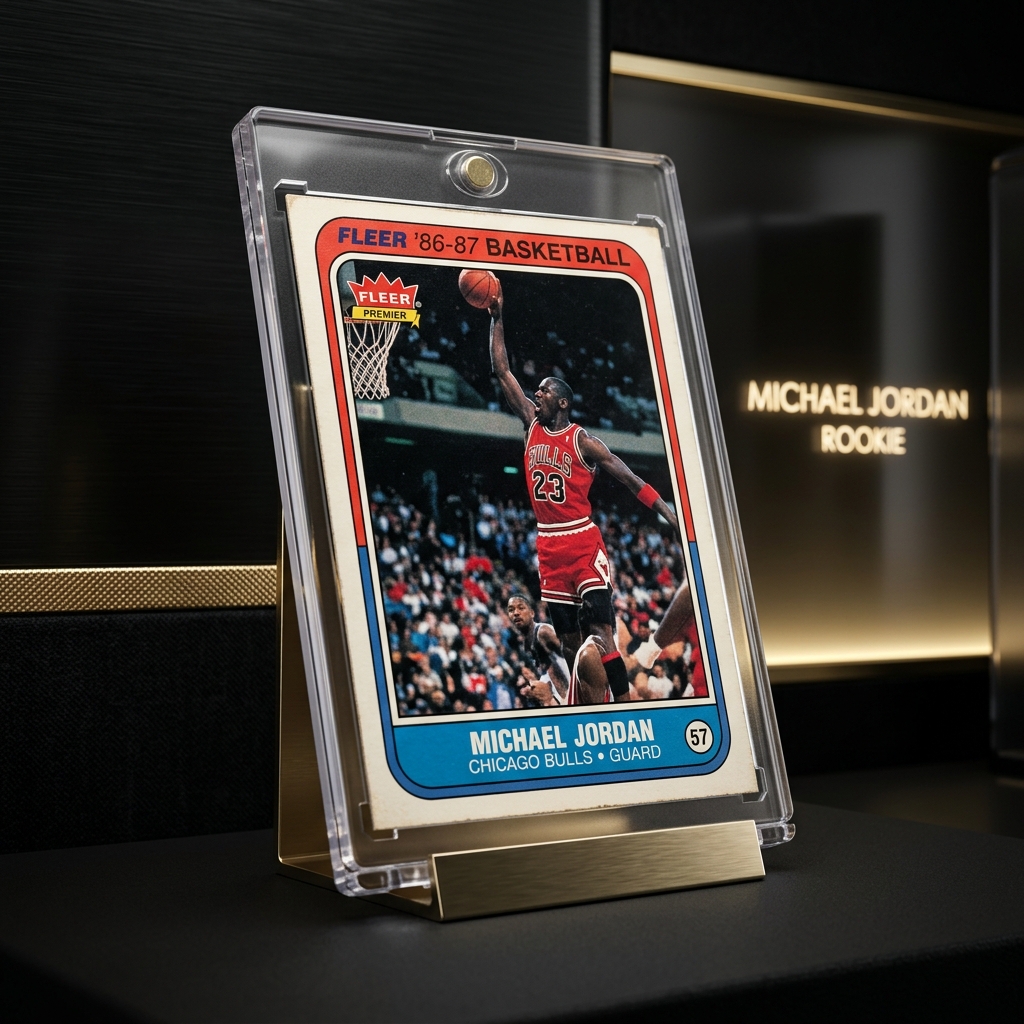
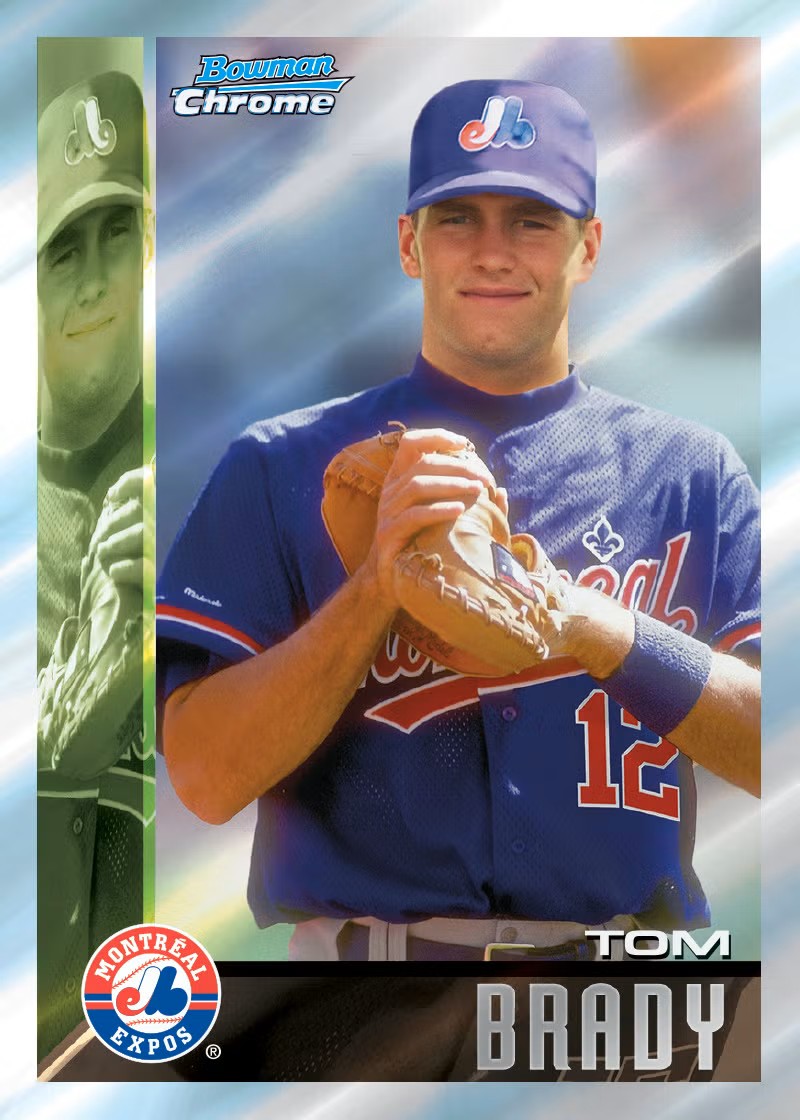
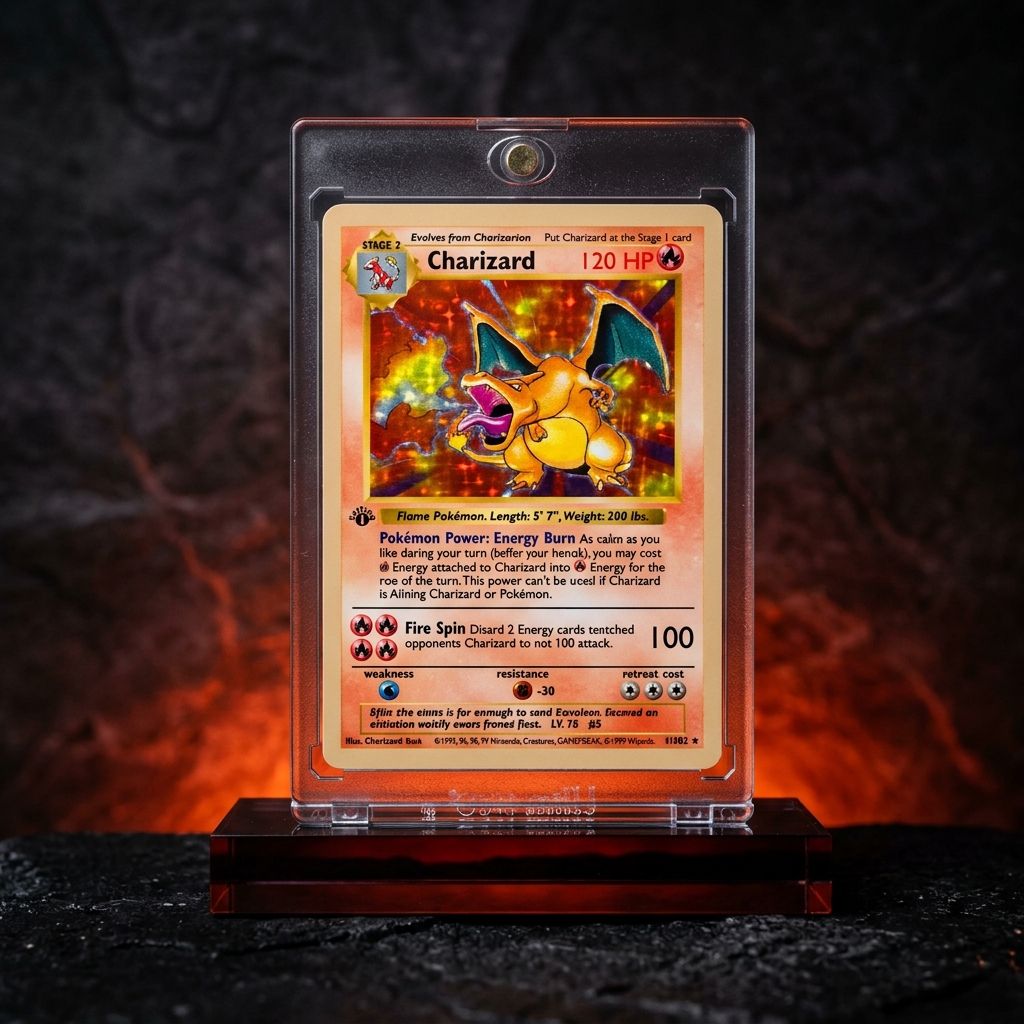
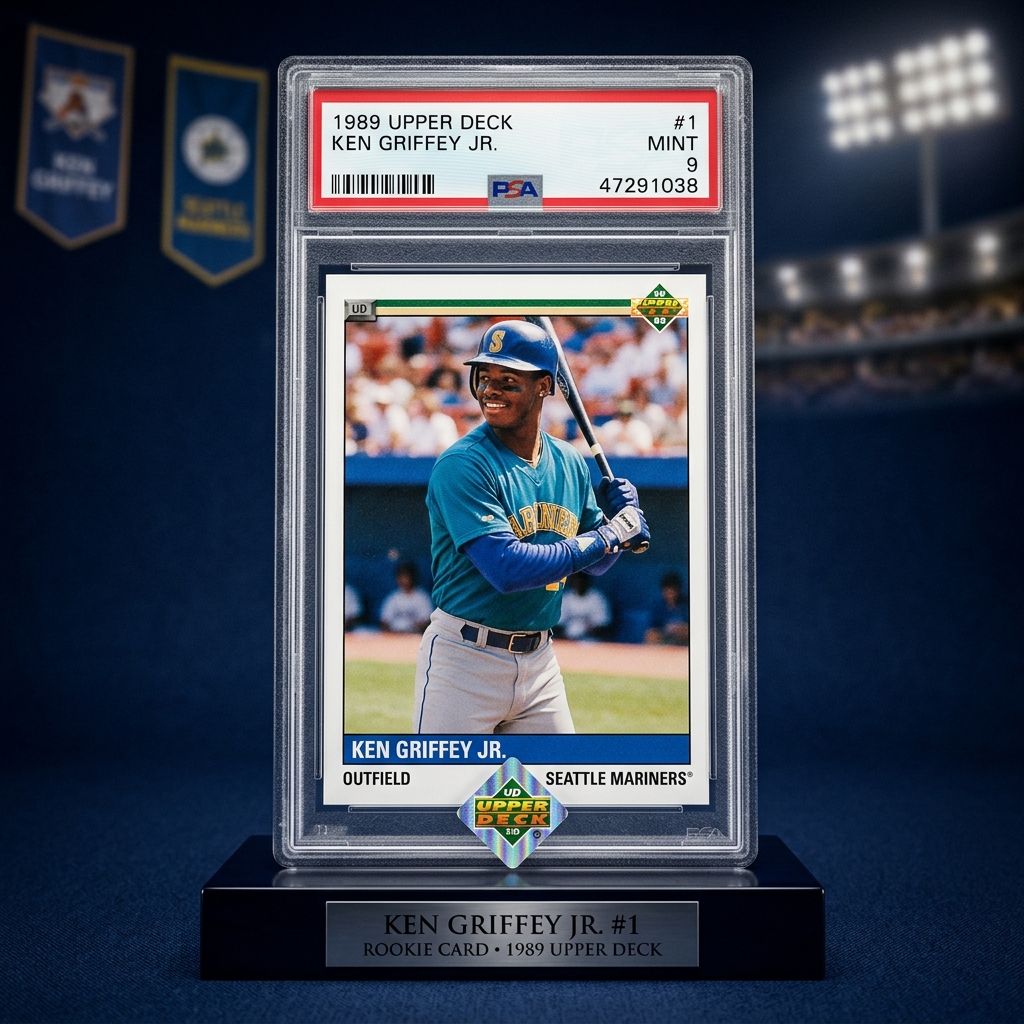
CardValueFinder works across all major sports and sets. Here are some of the most valuable cards our tool identifies every day.
Three easy steps to get an accurate, AI-powered value estimate for any trading card in your collection.
Photograph the front and back of your card in good, natural lighting. Lay the card flat on a neutral background to avoid glare and shadows that can affect AI identification accuracy.
Visit CardValueFinder.com and upload your photo directly from your phone or computer. Our AI immediately begins analyzing the image to identify the player name, set, year, card number, parallel type, and any autographs or relics automatically — no manual input needed.
Within seconds, your sports card value calculator results are ready. You'll see a current value range based on real eBay completed sales, a PSA grade estimate based on the card's apparent condition, and a list of recent comparable transactions so you can validate the estimate yourself.
Understanding what drives sports card pricing helps you make smarter buying and selling decisions.
When you use a sports card value calculator or sports card worth checker, the underlying data draws on a combination of market signals. Here's a deep dive into each factor — and why each one matters more than most collectors realize.
The most important data point in any card value lookup tool is the completed sales price — not the asking price. A card listed for $500 on eBay means nothing if buyers are only paying $120. Our trading card value calculator pulls exclusively from eBay's "sold" listings, which reflect what real buyers have actually paid in recent transactions.
For six- and seven-figure cards, we also incorporate auction results from Goldin Auctions, PWCC Marketplace, and Heritage Auctions — the three premier venues for high-value sports card sales. If a 1952 Topps Mickey Mantle or 1986 Fleer Michael Jordan sold at auction, those results flow into our comparable data.
Condition is the single most powerful factor in sports card pricing, and the gap between grades is often shocking to new collectors. The hobby uses a 1–10 numeric scale, popularized by PSA (Professional Sports Authenticator), where 10 represents a "Gem Mint" specimen with four perfect corners, no surface scratches, perfectly centered printing, and full color vibrancy.
What most collectors don't realize: a PSA 10 version of a card can be worth 10× to 100× more than a PSA 5 of the exact same card. Surface scratches, corner wear, centering issues, and print defects all pull a card's grade — and its value — dramatically downward. This is why our sports card pricing tool factors in visible condition signals from your uploaded photo.
Modern cards are often produced in numbered parallel sets: a base card might have thousands of copies, while a numbered parallel exists in only /25, /10, /5, or /1 copies. These print runs are printed directly on the card and are verified at the time of manufacture. As a general rule, the lower the print run, the higher the value multiplier over a base card.
A superfractor (1/1 — the only one in existence) of an elite player like Patrick Mahomes or Shohei Ohtani can be worth 50× or more than the base version of the same card. Patch autographs — cards containing a piece of a player's game-worn jersey plus their on-card signature — are similarly scarce and valuable. Our card value calculator identifies parallel type and print run from your photo's card number and set information.
Cards of active superstars fluctuate with performance and news cycles. A championship win, MVP award, Hall of Fame election, or record-breaking performance can cause a player's cards to spike in value within hours. Conversely, injuries, retirements, and controversies can suppress demand. The most stable long-term values belong to all-time greats: Mickey Mantle, Michael Jordan, Wayne Gretzky, and Tom Brady maintain consistent collector demand regardless of current market cycles.
The set a card comes from dramatically affects its collector appeal. Panini Prizm, Bowman Chrome, and Panini National Treasures are considered premium sets and carry a significant market premium over base Topps or Upper Deck releases. Vintage sets like T206, 1952 Topps, and 1986 Fleer have their own collector bases and pricing dynamics separate from modern releases. The "junk wax era" (1987–1993) produced cards in such massive quantities that most are essentially worthless today despite being 30+ years old.
Getting a card professionally graded by PSA, BGS (Beckett Grading Services), or SGC and receiving a high grade (PSA 9 or PSA 10) creates a substantial value multiplier. A raw card that sells for $30 can be worth $300+ as a PSA 10. The grading premium exists because buyers trust the authenticated condition assessment and tamper-evident case. It also makes cards easier to ship and eliminates condition disputes in transactions.
The sports card market is cyclical. The 2020–2021 boom saw values reach historic highs driven by pandemic-era hobby interest and mainstream media attention. The 2022–2023 correction brought many prices back to pre-boom levels or lower. By 2026, the market has largely stabilized, with strong sustained demand for high-grade PSA 10 rookie cards of elite active players, while speculative cards and junk wax have continued to deflate.
A 1986 Fleer Michael Jordan #57 PSA 10 is worth $700,000+ — while the same card in PSA 5 sells for approximately $1,500. Condition alone created a 450× price difference on the exact same piece of cardboard.
Source: PSA Population Report & Recent Auction Results
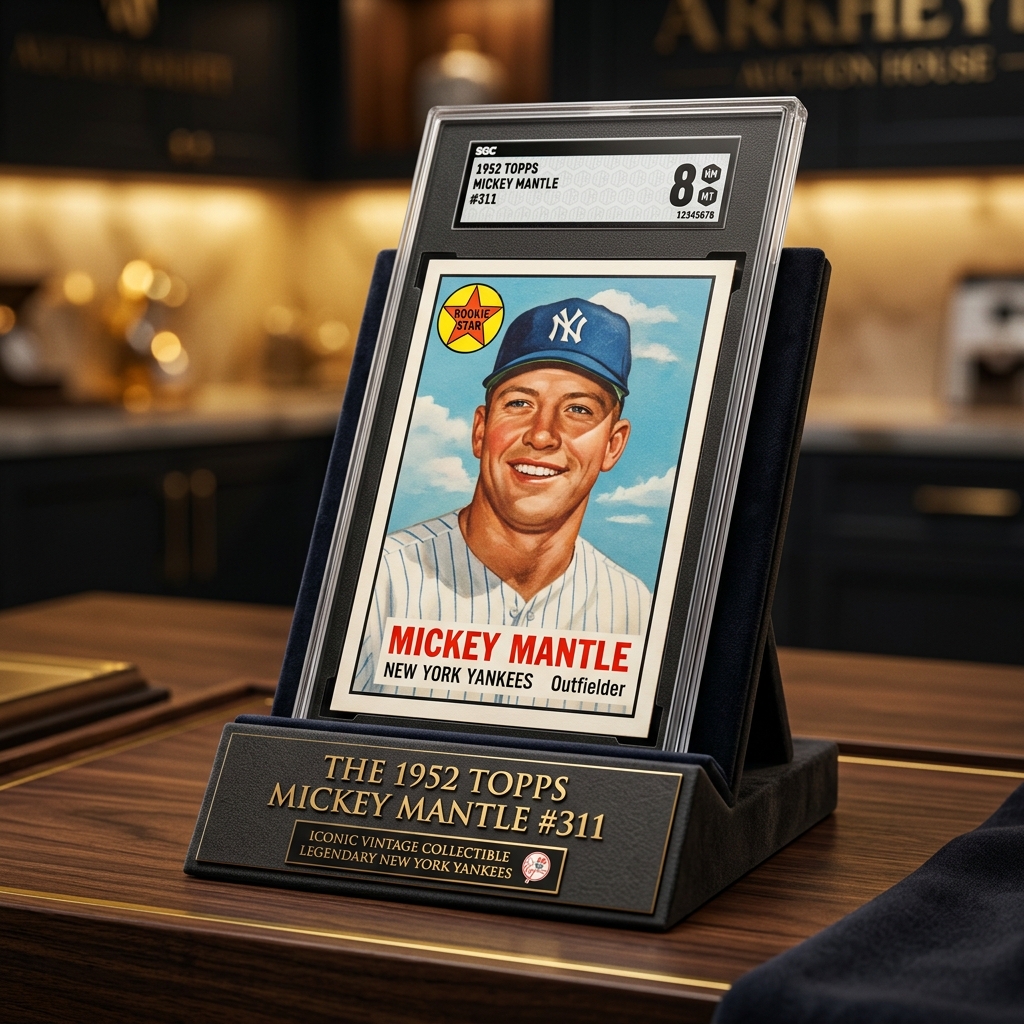
Each sports card market has its own key sets, players, and pricing dynamics. Here's what matters most in each category.
Baseball has the hobby's richest history and most established collecting market. Vintage icons like the 1952 Topps Mickey Mantle #311 and the T206 Honus Wagner represent the pinnacle of card collecting — the Wagner has sold for over $7 million. Modern collecting centers on Bowman Chrome prospect autographs of future stars like Shohei Ohtani and Julio Rodriguez, where collectors try to identify the next superstar before they reach the majors.
The "junk wax era" (1987–1993) produced billions of cards that are worth almost nothing today despite their age. By contrast, a 2011 Bowman Chrome Mike Trout autographed prospect card can command $30,000+ in PSA 10. Rookie cards — specifically the first officially licensed MLB card — carry the highest premium for any player.
View Baseball Card Price Guide →Football cards command some of the highest single-card prices in the modern hobby, driven by the NFL's massive fan base. Panini National Treasures rookie patch autographs (RPAs) are the benchmark product — a Patrick Mahomes 2017 National Treasures RPA PSA 10 has sold for well over $100,000. Panini Prizm Silver rookies are the most liquid and widely traded football cards, serving as the de facto "stock market" for player valuations.
Timing is critical: a player's rookie cards reach peak value in the year they're drafted, especially if they show immediate star potential. Tom Brady, Joe Burrow, Justin Jefferson, and emerging stars like Caleb Williams are consistent high-demand players across all card types.
View Football Card Price Guide →Basketball's global appeal makes it one of the most dynamic card markets. The gold standard vintage card is the 1986-87 Fleer Michael Jordan #57 rookie — the PSA 10 population is tiny, making it one of the most coveted cards in existence. Modern collecting is anchored by Panini Prizm Silver Prizm PSA 10s of marquee players, which serve as the benchmark for valuations across the sport.
Active superstars like LeBron James, Luka Doncic, and generational phenom Victor Wembanyama drive the contemporary market. Wembanyama's 2023 Prizm rookies in particular have been among the most traded cards of the decade. Hall of Fame elections consistently spike values for legends like Kevin Garnett and Allen Iverson.
View Basketball Card Price Guide →Hockey has a passionate, dedicated collector base — particularly in Canada — and its own distinct value drivers. The most important modern hockey rookie card format is the Upper Deck Young Guns, included in the flagship Upper Deck Series set. Young Guns PSA 10s of elite players like Connor McDavid and Sidney Crosby carry substantial premiums.
The vintage anchor of the hobby is the Wayne Gretzky 1979 O-Pee-Chee rookie card — PSA 10 examples have sold for over $3.7 million. Modern superstars like Auston Matthews and young stars like Bedard Connor represent the growth frontier of the hockey card market. O-Pee-Chee cards, which are the Canadian parallel of Topps, carry additional regional demand.
View Hockey Card Value Guide →Understanding card grades is essential to knowing how much your card is worth. Use this reference table to assess your card's condition before using our card value lookup tool.
| Grade | PSA Score | What to Look For | Value Impact vs. Raw |
|---|---|---|---|
| Gem Mint | PSA 10 | Four perfect sharp corners, zero surface scratches, perfectly centered (55/45 or better), full bright color saturation, no print defects or staining | 3–10× raw value (can be 100× for vintage) |
| Mint | PSA 9 | Nearly flawless; one minor imperfection allowed (very slight corner wear or 1–2mm off-center). Still highly desirable and commands strong premium | 1.5–4× raw value |
| Near Mint-Mint | PSA 8 | Very light play wear, slight surface marks under close inspection, centering may be 60/40. An attractive card that falls just short of the top grades | ~1–2× raw value |
| Near Mint | PSA 7 | Light surface wear visible to the naked eye, possible minor corner fraying, slight loss of original gloss. Still a presentable card with good eye appeal | Similar to or slightly above raw |
| Excellent-Mint | PSA 6 | Noticeable wear on corners and edges, slight surface crease may be present, centering issues visible. Below the grading threshold for investment-grade cards | Below raw value (grading cost not worth it) |
| Poor–Fair | PSA 1–4 | Significant damage including heavy creases, staining, missing corners, tears, or writing. Card is collectible for completeness purposes only, not investment value | Small fraction of grade value |
Not sure what grade your card might receive? Upload a photo to CardValueFinder and get an AI-powered grade estimate along with your value.
Grading isn't right for every card. Here's how to decide whether submitting to PSA, BGS, or SGC makes financial sense for your specific card.
Want to learn more? Read our complete guides: How to Grade Sports Cards and Sports Card Grading Cost Guide.
CardValueFinder's AI identifies your card and pulls real eBay sold data in under 30 seconds. Completely free, no account required.
📸 Upload a Photo & Get Your Free Estimate →There are several ways to research a card's value. Here's how each method stacks up — in speed, accuracy, and reliability.
| Method | Time Required | Data Freshness | Accuracy | Cost | Overall |
|---|---|---|---|---|---|
| 🔍 Manual eBay Search | 15–25 minutes per card | Real-time | Varies by skill | Free | Slow & tedious |
| 📚 Price Guide Books | 10–20 minutes | Often 1–2 years old | Poor — outdated | $15–$40/book | Not recommended |
| 🏪 Dealer / LCS Quote | Trip to the store | Current but biased | Biased low (buying) | Free but travel time | Not independent |
| 📱 CardValueFinder AI | < 30 seconds | Real-time sold data | High — real comps | 100% Free | Best overall |
The math is simple: If you have 20 cards to price and each manual eBay lookup takes 15 minutes, that's 5 hours of work — compared to under 10 minutes with CardValueFinder. Beyond the time savings, our AI eliminates the expertise barrier: you don't need to know the difference between a Bowman Chrome Refractor and a Bowman Chrome Base, or how to filter eBay correctly to exclude listing prices. The AI handles all of that automatically, making professional-grade card valuation accessible to any collector — beginner or expert.
Everything you need to know about finding, calculating, and understanding your sports card's value.
The fastest way to find out what your sports card is worth is to use a free sports card value calculator like CardValueFinder. Simply upload a clear photo of the front and back of your card. Our AI instantly identifies the player, set, year, and card number, then pulls real eBay completed sales data to give you an accurate current market value. For high-value cards over $1,000, you can also cross-reference with auction results from Goldin, PWCC, or Heritage Auctions. Always check recently sold prices — not asking prices — for the most accurate estimate. Asking prices can be dramatically inflated and do not represent what buyers are actually paying in the current market.
Yes — CardValueFinder's card value by photo technology uses AI to identify your card from an image and return an instant value estimate. Just photograph the front and back of your card in good natural lighting, making sure the card number (usually found at the bottom of the card back) is clearly visible. Our system reads the set, year, player name, parallel type, and any autograph or relic status automatically. This card value lookup tool eliminates the need for manual searching across multiple platforms and gives you results in seconds rather than the 15–20 minutes a manual eBay search typically requires. Even if you don't know anything about the card, the AI will identify it and tell you what it's worth.
In most cases, yes — PSA-graded cards command a significant premium over raw (ungraded) cards, especially at the PSA 9 and PSA 10 levels. A PSA 10 can be worth 3× to 10× — or even more — what the same card sells for raw. For example, a raw Patrick Mahomes Prizm rookie card might sell for $50–70, while a PSA 10 of the same card could fetch $400–$600. The grading premium is largest for high-demand players, scarce parallels, and older vintage cards where PSA 10 examples are extremely rare. BGS and SGC grades also carry premiums over raw cards, though PSA is the most widely recognized and liquid grading standard in the hobby. Our sports card pricing tool shows both raw and graded value estimates where data is available.
Sports card values can change daily, especially for cards tied to active players. A quarterback who throws three touchdowns in a playoff game can see their rookie card value jump 20–50% overnight. Conversely, a significant injury can cause sharp declines within hours. Older vintage cards like a 1952 Topps Mickey Mantle or 1986 Fleer Michael Jordan tend to be more stable but still shift based on auction results and overall hobby sentiment. The market saw a massive surge in 2020–2021 followed by a significant correction in 2022–2023. In 2026, prices have largely stabilized at a new baseline, with strong consistent demand for PSA 10 rookie cards of active elite players. Use our trading card value calculator regularly to stay current with market movements for cards you own or are considering purchasing.
Several key factors determine a sports card's value: (1) Player popularity and career trajectory — active superstars like Shohei Ohtani, Patrick Mahomes, or Victor Wembanyama command the highest prices. (2) Card condition — a PSA 10 can be worth 10× or more than a PSA 5 of the exact same card. (3) Print run and scarcity — a /10 numbered parallel is worth far more than the base version. (4) Set prestige — Panini Prizm, Bowman Chrome, and National Treasures carry significant market premiums. (5) Rookie card status — a player's first officially licensed card almost always carries the highest long-term premium. (6) Autographs and relics — on-card signatures and game-worn memorabilia patches add substantial value. Our sports card worth checker accounts for all of these factors in its estimates.
Yes — CardValueFinder is completely free to use. There are no subscription fees, no paywalls, and no credit card required. You can upload a photo of any sports card and receive an instant AI-powered value estimate at no cost. Our sports card value calculator free tool is accessible to every collector, whether you have one card to check or an entire collection to evaluate. We believe every collector deserves quick, accurate pricing information without having to pay for a sports card pricing tool or wade through outdated price guide books. Simply visit CardValueFinder.com, upload your photo, and get your estimate — it takes under 30 seconds and costs you nothing.
CardValueFinder supports all major sports and trading card categories: baseball (including Topps, Bowman Chrome, Bowman Draft, Upper Deck, and vintage sets like T206 and 1952 Topps), football (Panini National Treasures, Prizm, Contenders, and older Topps and Fleer sets), basketball (Panini Prizm, 1986 Fleer, Topps Chrome, and more), hockey (O-Pee-Chee, Upper Deck Young Guns, SP Authentic), soccer, and Pokémon trading cards. Our trading card value calculator also handles autographed cards, relic cards, numbered parallels, 1/1 superfractors, and graded cards from PSA, BGS, and SGC. If the card has been sold on the secondary market, we can identify and value it. New cards are added continuously as new product releases hit the market.
CardValueFinder pulls from real eBay completed sales data — meaning actual transactions, not asking prices — to generate value estimates. Our AI cross-references the identified card against recent comparable sales filtered by condition, parallel type, and grading status. For common cards with many recent sales, accuracy is very high and the estimate will closely match what you'd find doing a manual eBay search yourself. For rarer cards like 1/1 superfractors, vintage PSA 10s, or niche parallels where sales are infrequent, we provide a value range based on the most recent comparable transactions and, where applicable, auction results from Goldin, PWCC, and Heritage. We always recommend treating estimates as a strong starting point and confirming with 2–3 recent sold comparables for cards worth $500 or more.
A "raw" card is ungraded — it has not been submitted to a professional grading company like PSA, BGS, or SGC. It's bought and sold based on the buyer's own assessment of condition, which introduces uncertainty and often suppresses prices. A "graded" card has been professionally authenticated, assigned a numeric grade on the 1–10 scale, and sealed in a tamper-evident plastic slab. Graded cards typically command a premium because buyers trust the independent condition verification. The gap between raw and graded value is largest for high-demand cards in PSA 10 condition — a raw card worth $30 ungraded might be worth $300 or more if it receives a PSA 10. Our sports card worth checker accounts for both raw and graded values in its estimates, helping you understand the potential upside of getting a card professionally graded.
Yes — CardValueFinder works as a Pokémon card value calculator in addition to its sports card pricing capabilities. Simply upload a photo of your Pokémon card and our AI will identify the set, edition (1st Edition vs Unlimited), holo status, language (English, Japanese, etc.), and condition to return a current market value. We support everything from the original Base Set through modern Scarlet & Violet releases. High-value Pokémon cards like a 1st Edition Shadowless Charizard PSA 10 — which has sold for over $400,000 — and the iconic Pikachu Illustrator are fully represented in our database. The same AI identification and real eBay sold data methodology that powers our sports card lookup applies equally to Pokémon. Whether you inherited a binder of old Pokémon cards or are actively collecting, our tool can value your entire collection quickly.
If your card doesn't return a match, there are several steps to try: (1) Ensure the photo is well-lit and in sharp focus, with the card fully in frame and not cropped. (2) Try photographing the card back separately — the set name, card number, and copyright information are typically printed on the back and are essential for accurate identification. (3) Check that your lens isn't casting a glare or shadow across the card. (4) For very old or obscure vintage cards (pre-1970), try manually searching eBay completed listings using the player name, year, set name, and card number. (5) Contact us through the CardValueFinder site for assistance with rare or unusual cards. Our card database is continuously updated with new releases and obscure vintage sets, so cards that don't match today may be added in future updates.
Timing matters significantly in the card market. As a general rule: sell when a player is performing at their absolute peak — after a championship win, Hall of Fame election, MVP award, or record-breaking season, as these events temporarily spike values. The 2020–2021 hobby boom pushed many cards to historic highs; the 2022–2023 correction brought prices back to earth, and 2026 has seen stabilization with selective strength. If your card features an active superstar like Shohei Ohtani, Patrick Mahomes, or Victor Wembanyama and is in premium near-mint or better condition, the current market is reasonably strong. If your card is of a retired player without near-term catalysts (like a Hall of Fame vote), there may not be urgency to sell. Use our free card value lookup tool to check current market prices before making any decision to sell.
Stop wondering. In less than 30 seconds, CardValueFinder's AI will identify your card and give you an instant value estimate based on real market data — completely free, no account needed.
📸 Upload a Photo & Get Your Value⚾ Baseball · 🏈 Football · 🏀 Basketball · 🏒 Hockey · 🎴 Pokémon · Always Free